Sensory Home Design for your special spaces
1st June 2024
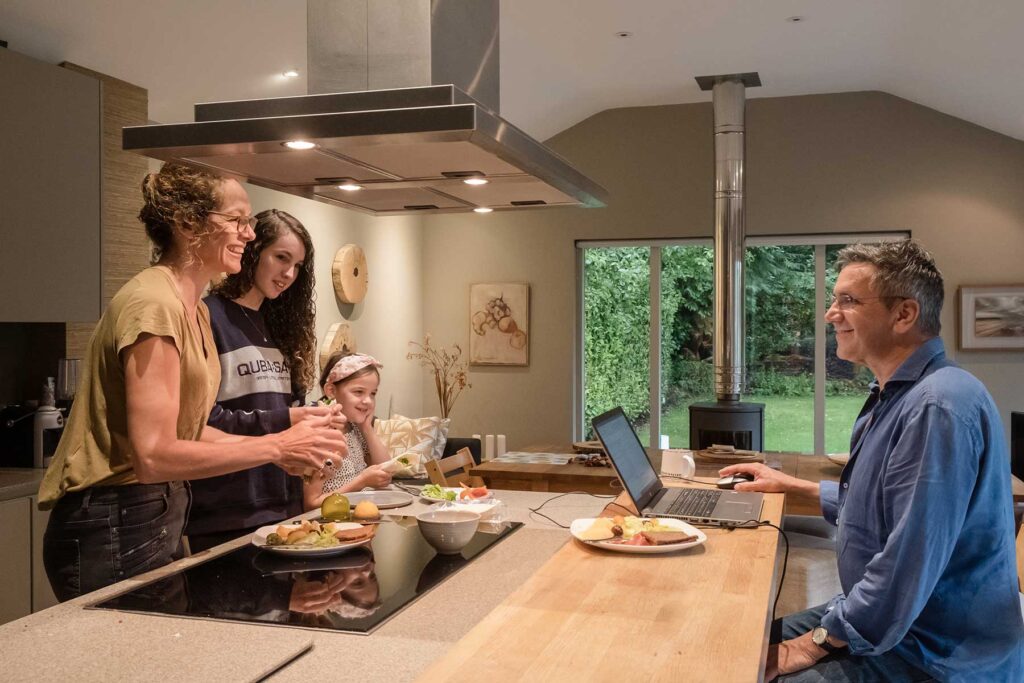
At this time of year, our senses are alert to the summer coming into bloom. The sunlight excites us and brings a sense of well being and harmony to our surroundings and our homes.
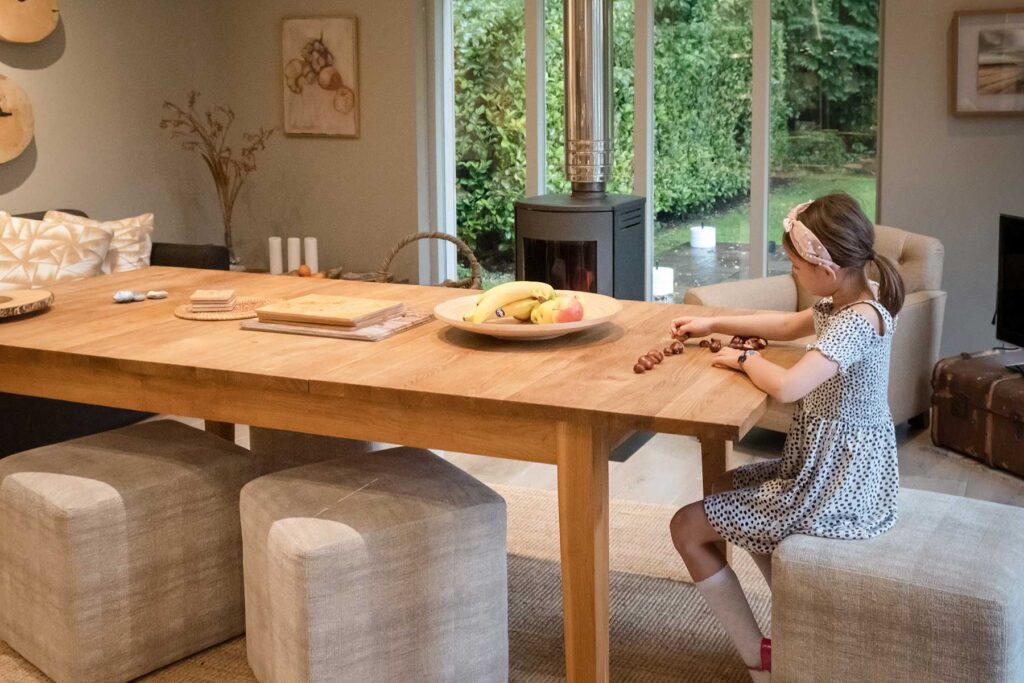
Healthy nurture and sensory sensitivity is a much sought-after necessity in all our home and business lives. Sharing spaces with family and work colleagues is often a work in progress, and any attempt to avoid tension or stress is on everyone’s agenda, especially as our lives appear to be getting busier and busier, with the demands of constant access to our personal space through mobile phones and technology.


The interior design of our homes, holiday venues, and workplaces plays a crucial role in reducing everyday stress and enhancing sensory wellbeing, particularly for individuals on the autism spectrum. Sensitive sensory interior design focuses on creating environments that cater to diverse sensory needs, fostering peace and harmony.


Incorporating calming colour palettes of neutrals, soft blues, greens, and earthy tones can promote relaxation and reduce anxiety. Natural lighting is another essential element; it enhances mood and helps regulate circadian rhythms. Additionally, utilising soft furnishings and textured materials can create a tactile environment that comforts and soothes.
Sound management is vital in sensitive design. Incorporating acoustic panels interior design or sound-absorbing materials can minimise overwhelming noises, creating a quieter space that promotes focus and tranquillity. Similarly, incorporating areas for retreat, such as cozy nooks or dedicated quiet zones, allows individuals to escape overstimulation when needed.
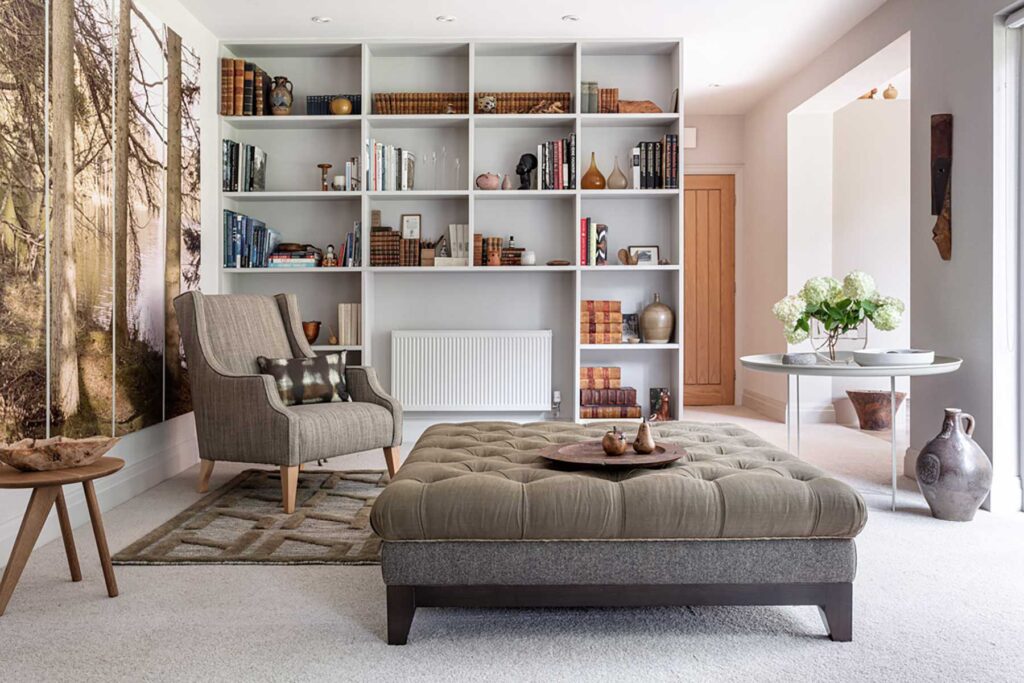


In family settings, incorporating sensory-friendly elements—like weighted blankets, fidget tools, or calming scents—can create a supportive environment for those with autism. Thoughtful layouts that allow for movement and exploration while minimising clutter also contribute to a sense of security and comfort.
Outdoor spaces leading from indoor spaces can enhance sensory wellbeing. Access to nature, through gardens or views of green spaces, has been shown to reduce stress and improve mental health. Creating designated outdoor areas for relaxation and play can help family members connect with their environment in a soothing way.
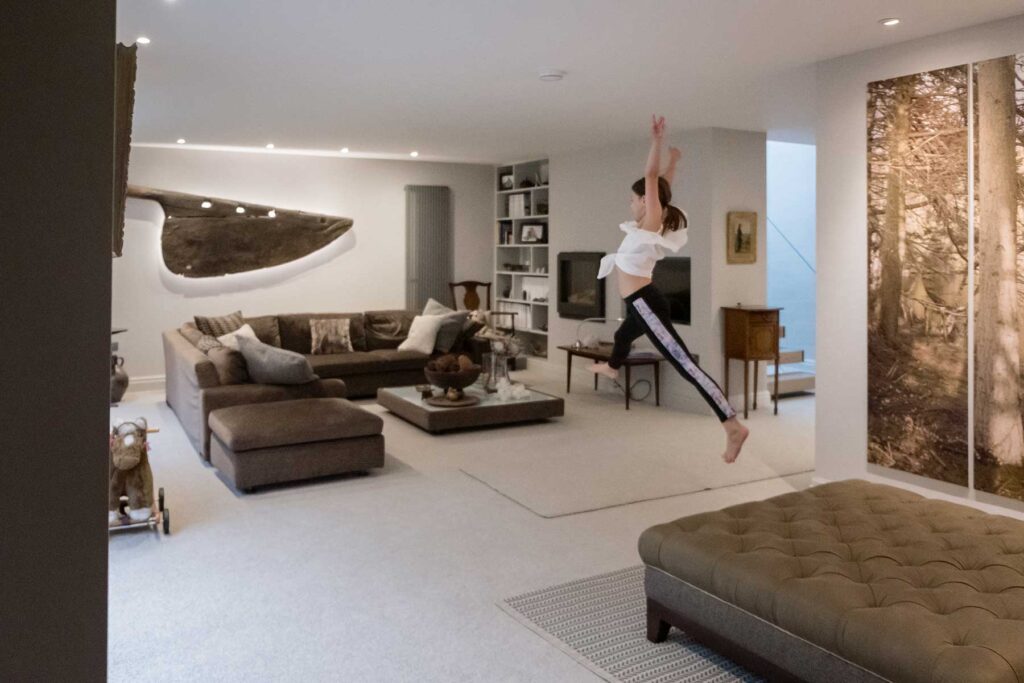
Ultimately, residential interior design for wellbeing is about understanding the unique needs of individuals, especially those with spectrum disorders and other personal needs at any time of life. By prioritizing comfort, tranquillity, and sensory engagement in our spaces, we can foster an environment that nurtures peace and harmony, significantly improving the quality of everyday life.
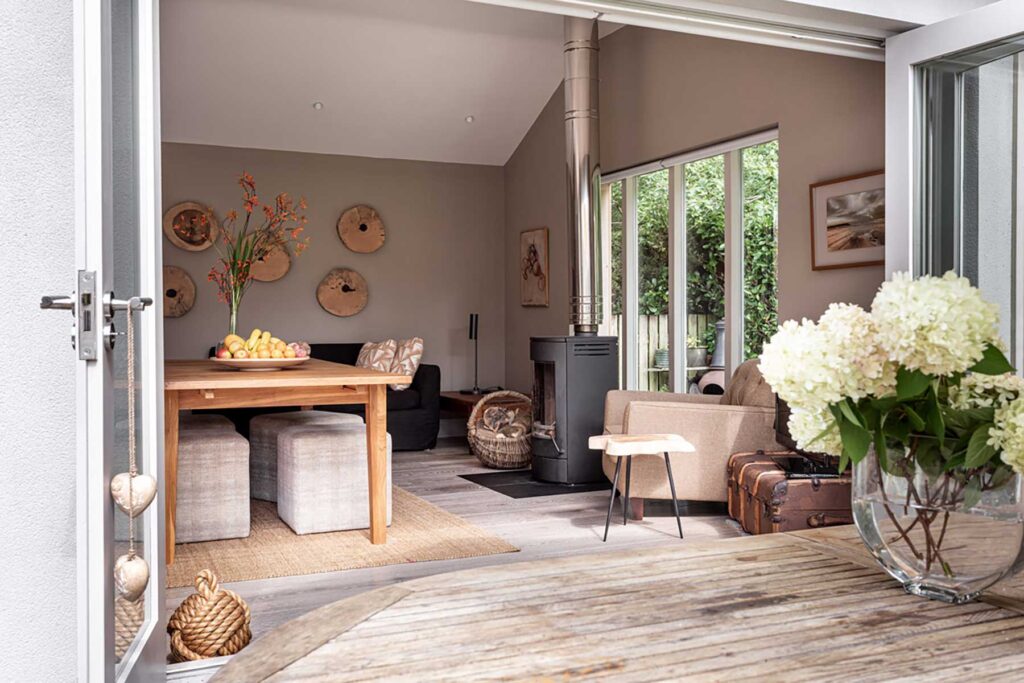
Taking time out—a space in the day for our own mental well being—is becoming common practice. Peace, calm, and tranquility are becoming easier to recognise and add to our lives, sometimes against the odds, and taking baby steps often makes all the difference.

It often takes some fresh, professional insight into your and your family’s needs to reach a considered and personalised design that works for your home, holiday, and workspace. We would be delighted to show you the way, whether you are looking for interior design consultancy to refine your vision or a comprehensive approach to transform your space.
Have a look at some of our project work on our Project Portfolio page.


