Why Clarity is the Secret to Successful Interior Design
Why good interior design begins with clarity
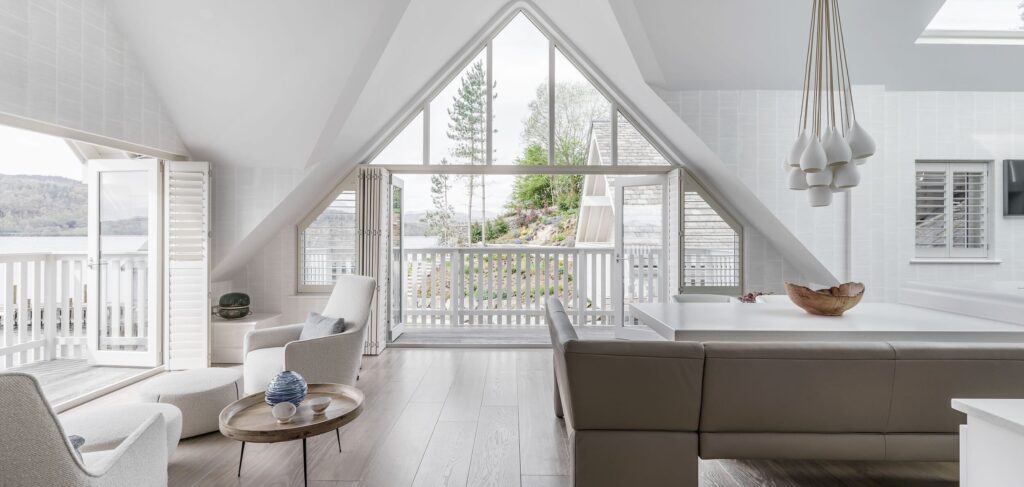
There is a moment at the beginning of almost every interior design project when a client says something remarkably similar:
“I know something isn’t quite right, but I don’t know what I should change.”
For me, that is where good interior design begins.
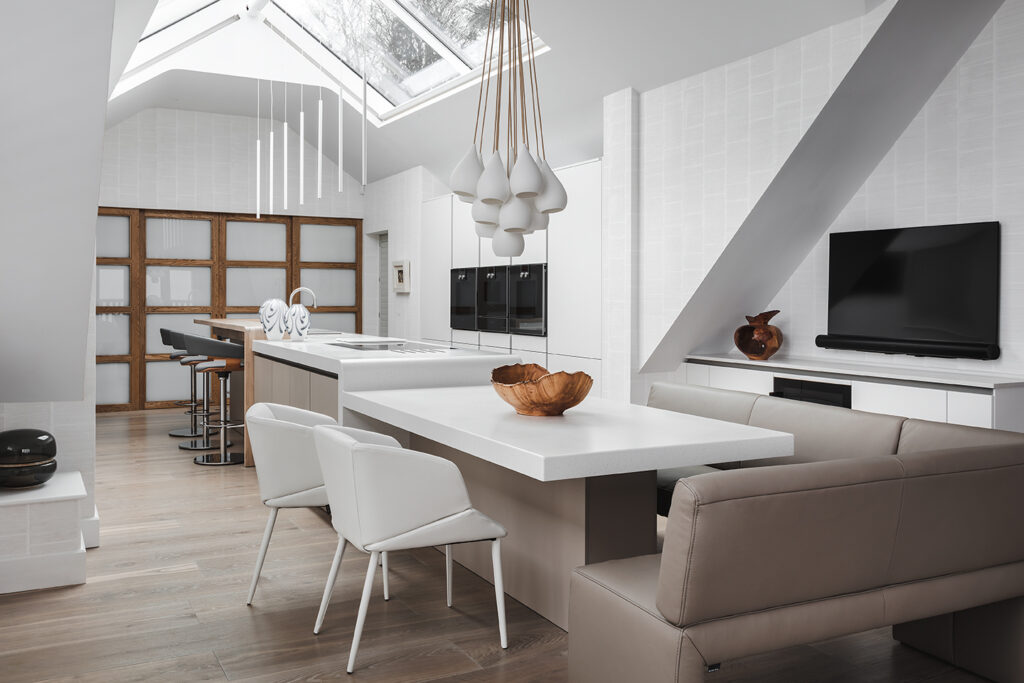
Not with a colour palette. Not with furniture. And certainly not with following the latest interiors trend.
It begins with clarity.
After more than 30 years working in interior design here in the Lake District, across the UK and internationally, I have learnt that one of the most valuable things a designer can bring to a project is the ability to step back and see a property differently.
What do I mean by Interior Design Clarity?
Interior Design Clarity is my way of describing the thinking that should happen before major design decisions are made.
It means understanding the architecture, the light, the landscape, the way people move through a home and, most importantly, how they actually want to live there.
Sometimes the answer is a significant redesign.
Very often, it isn’t.
A room may feel uncomfortable because the furniture is fighting the architecture. A beautiful view may have been unintentionally diminished. Lighting may be technically adequate but emotionally flat. Materials may be individually beautiful, yet collectively create too much visual noise.
And occasionally the most valuable advice I can give a client is simply:
Don’t change that.
Knowing what to retain can be every bit as important as knowing what to redesign.

Designing homes in the Lake District
Working as an interior designer in the Lake District brings its own particular considerations.
The relationship between a house and the landscape surrounding it is extraordinarily important here.
Our changing light, water, woodland, stone and enormous skies provide a natural design language.
I don’t believe a Lake District home needs to imitate its surroundings, but I do believe it should acknowledge them.
That might mean allowing a view to become the dominant artwork in a room. It might mean using natural materials with restraint, softening the acoustics within a large contemporary property, or creating layers of warm lighting that completely transform the atmosphere as daylight disappears.
For me, luxury is rarely about adding more.
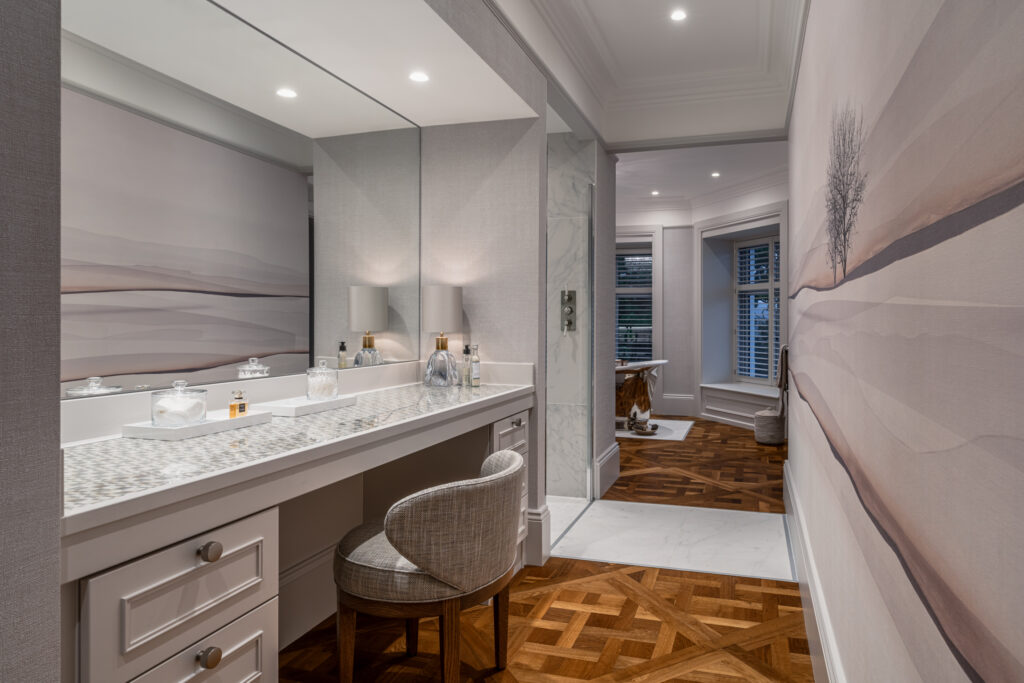
It is about getting the important things right.

Before you renovate, ask better questions
One of the most expensive stages of a property project can occur before anything has actually been built.
It is the point at which decisions are made.
Should this wall move?
Is the kitchen really in the right place?
Do we actually need an extension or could the existing space work harder?
How will the furniture relate to the architecture?
Where should the lighting sit?
Will this decision still feel right in ten or twenty years?
And perhaps most importantly:
What are we actually trying to achieve with this home?
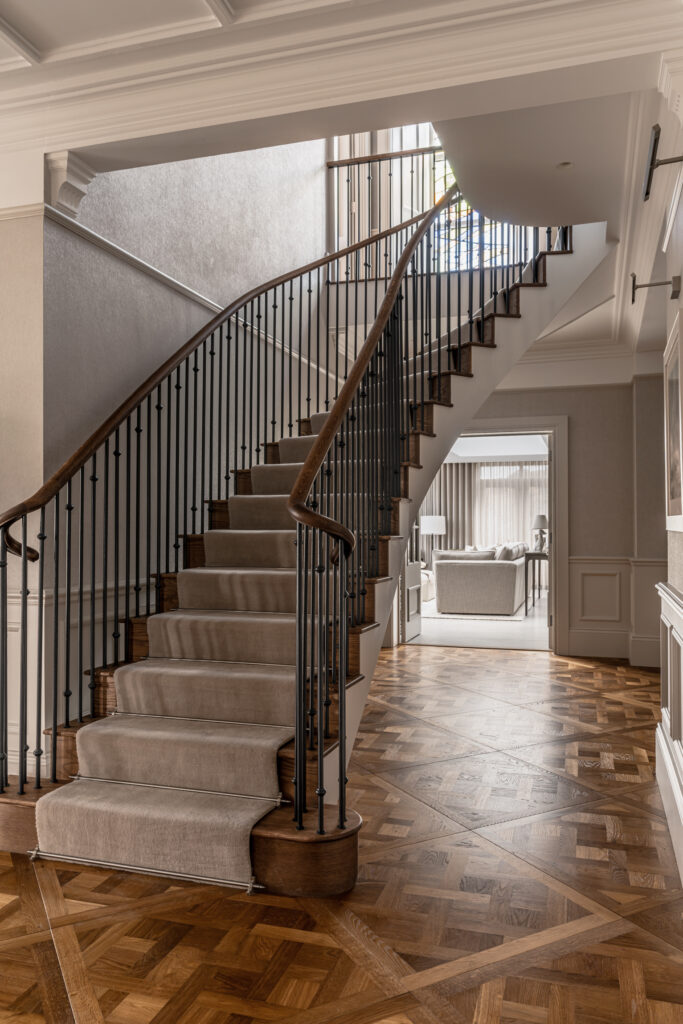
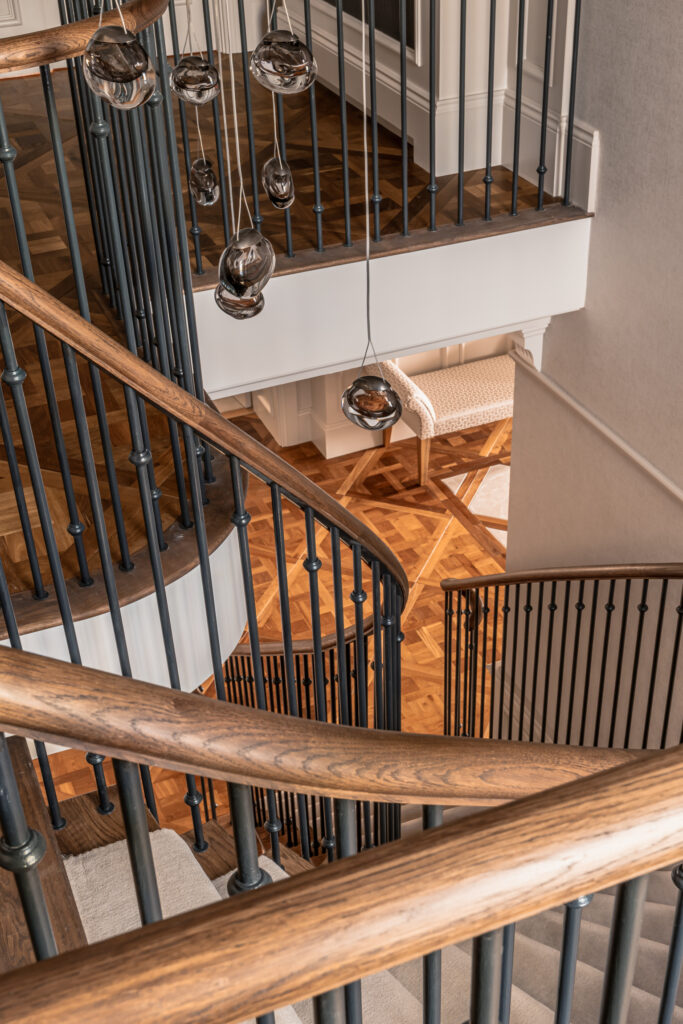
Making these decisions with clarity at the beginning can prevent expensive changes later.
This becomes particularly important with substantial renovations, period properties and high-value homes, where one apparently small decision can affect lighting, joinery, furniture layouts, electrical plans and ultimately the way the entire property feels.
Interior design is about more than appearance
Some of the interiors I am most proud of are not necessarily the ones that make the loudest statement.
They are the homes where everything simply feels as though it belongs.
The lighting is warm and layered.
The acoustics feel soft.
There is somewhere comfortable to sit where you naturally want to sit.
Storage has been quietly incorporated rather than added as an afterthought.
Materials work together rather than compete for attention.
And, importantly, the home still feels like its owners.
That sense of ease can be difficult to photograph, but it is very easy to feel.
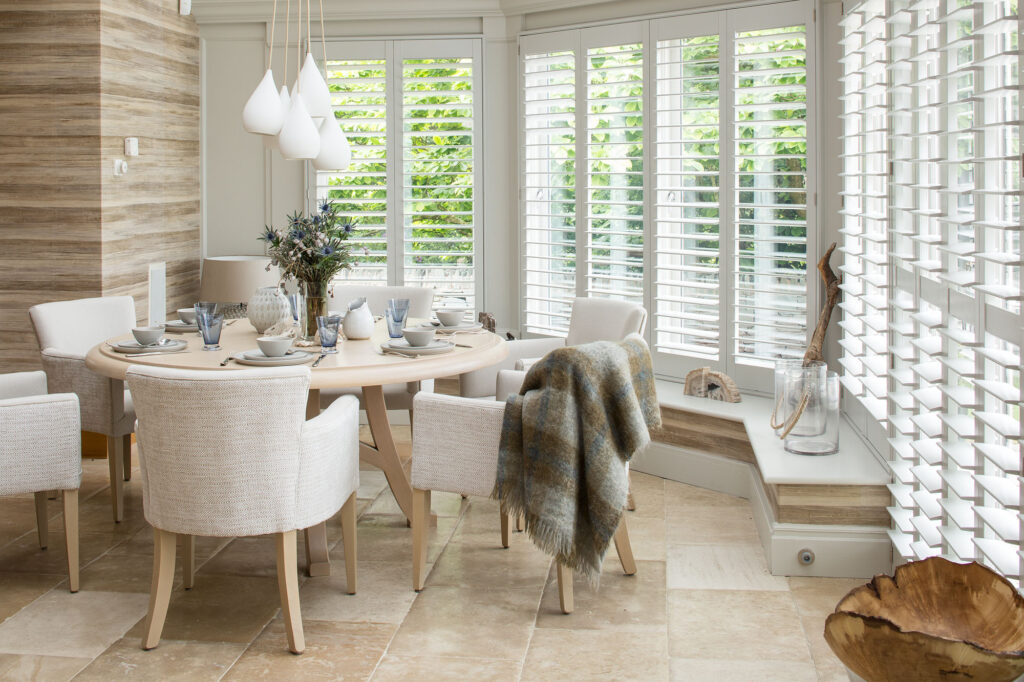
It is why I increasingly believe successful interior design should be judged not only by how a room looks when it is completed, but by how well it continues to serve the people living in it years later.
Do I need a full interior design service?
Not necessarily.
This is one of the reasons my own work is evolving.
There will always be homeowners who want an interior designer to take responsibility for an entire project from concept through to completion.
But there are also people who already have an architect, builder or their own ideas and simply need an experienced pair of eyes at an important moment.
Perhaps you are looking at plans before construction begins.
Perhaps you have bought a property and want to understand its potential before committing to significant expenditure.
Or perhaps you have lived in your home for years and know something isn’t working, but cannot quite identify why.
In those situations, an independent interior design consultation can provide something extremely valuable:

Confidence in what to do next.
What more than 30 years in interior design has taught me
Over more than three decades, I have worked on homes and hospitality projects of enormously different scales, both in Britain and internationally.
That experience inevitably changes the way you look at a building.
You learn when an apparently exciting idea is likely to date quickly.
You learn where money genuinely improves a property and where it doesn’t.
You learn that beautiful materials cannot compensate for poor proportions.
You learn the importance of light, acoustics, detailing and how people naturally move through a space.
And you learn that the best answer isn’t necessarily the most complicated one.
My role today is increasingly about bringing that experience to the beginning of the conversation helping clients see possibilities, question assumptions and make confident decisions before committing significant time and money.
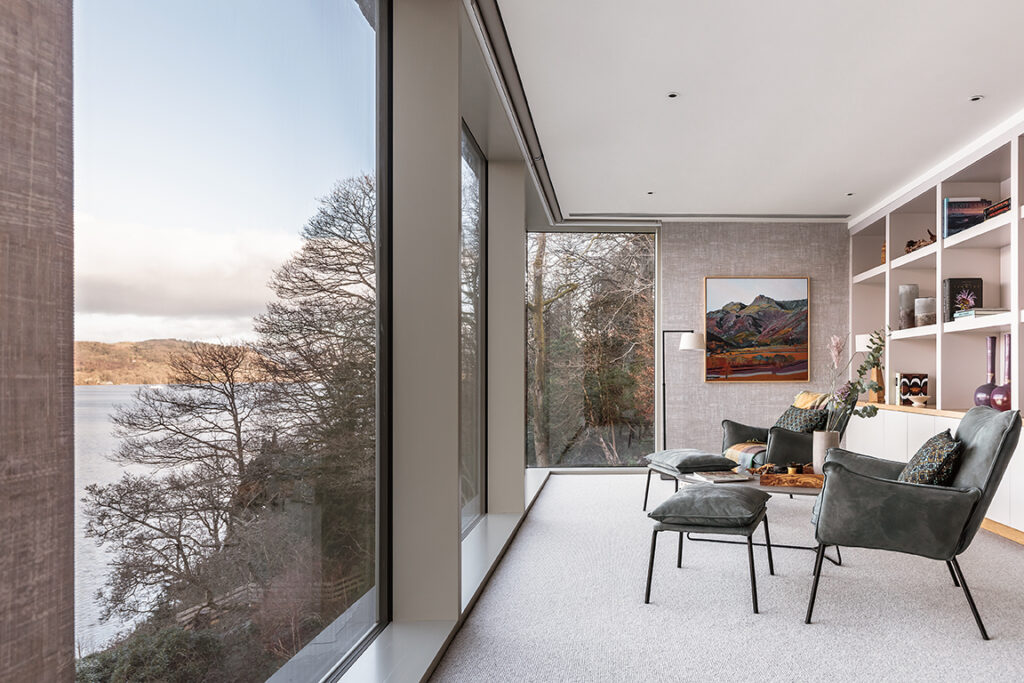
That is what I mean by Interior Design Clarity.
A new design conversation in the Lake District
In Spring 2027, I am also exploring how to take this philosophy beyond individual properties through an intimate Lake District Design Residency.
The idea is to bring together an intimate group of people interested in design, homes, creativity and observation, using the extraordinary Lake District landscape as part of the experience.
It grows from something I have become increasingly conscious of throughout my career:
Good design begins with learning how to look.
Not simply at interiors, but at proportion, texture, light, nature, architecture and the way places make us feel.
It is something I want to explore and share much more over the coming years.
Begin with clarity
If you are considering renovating, buying, redesigning or simply rethinking a property, you don’t necessarily need to know exactly what you want before speaking to a designer.
In fact, that is often precisely the point at which a conversation is most useful.
Sometimes all a property needs is someone to look at it with fresh eyes.
Begin the conversation
Discover my approach to Interior Design Clarity and how an initial conversation can help you understand what your property really needs.
ABOUT SARAH JANE NIELSEN
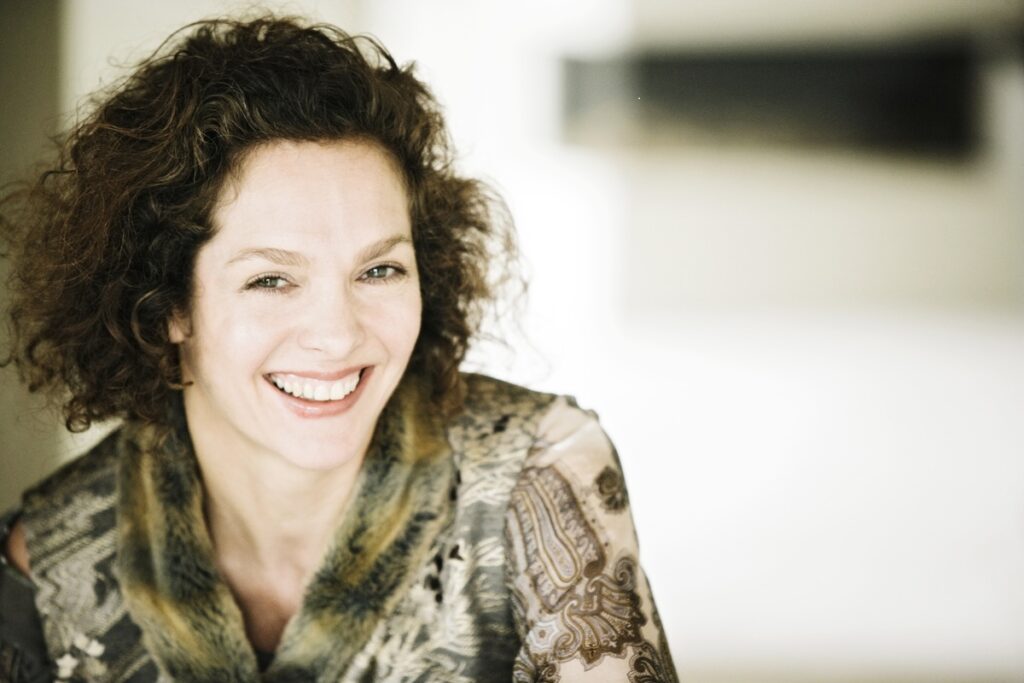
Sarah Jane Nielsen is the founder and Design Director of Nielsen House, an interior design studio based in the Lake District.
With more than 30 years of experience across residential and hospitality interiors in the UK and internationally, Sarah now brings that experience increasingly to the early stages of property and interior design decisions helping clients achieve clarity before commitment.


