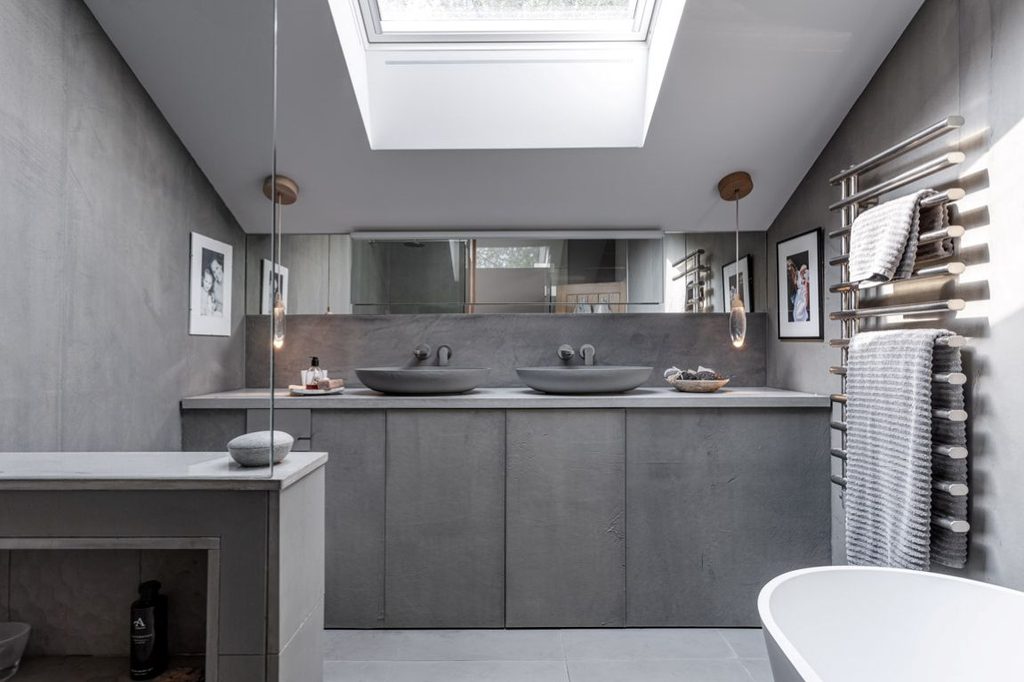
Before We Fill a Space, We Must First Understand It
Before we decide what belongs in a space, we must discover what that space is capable of becoming.
When we begin imagining changes to a home, it is natural to think about what we might put into it.
We consider colours, furniture, lighting, fabrics and finishes. We collect images of rooms we admire and begin building a picture of how we would like our own home to look.
But these choices, important as they are, come later.
The most influential design decisions are often made before we select anything at all.
They begin when we pause long enough to look more deeply at the space itself.

Learning to Look Beyond the Surface
After more than 30 years working in interior design, I have learned that observation is one of the most valuable and most frequently overlooked parts of the design process.
When I first enter a property, I am not immediately thinking about how to decorate it. I am looking at how it lives and breathes.
Where does the natural light enter, and where does it disappear?
What draws the eye through the space?
How do the rooms connect?
Does the circulation feel natural, or do people constantly move through the areas intended for sitting and relaxing?
Do the proportions feel balanced?
Is there a view that should be celebrated or one that has been unintentionally obscured?
How does the property relate to its landscape, its architecture and the lives of the people within it?
These questions allow us to understand what a space is already offering before we decide what it needs.
Is the Room Really the Problem?
We often accept the first explanation for why a room does not feel right.
We may describe it as too small, too dark, too cold or simply lacking character. The instinctive response is then to add something: an extension, a stronger colour, more lighting, additional furniture or a new decorative feature.
But curiosity encourages us to look beyond the first answer.
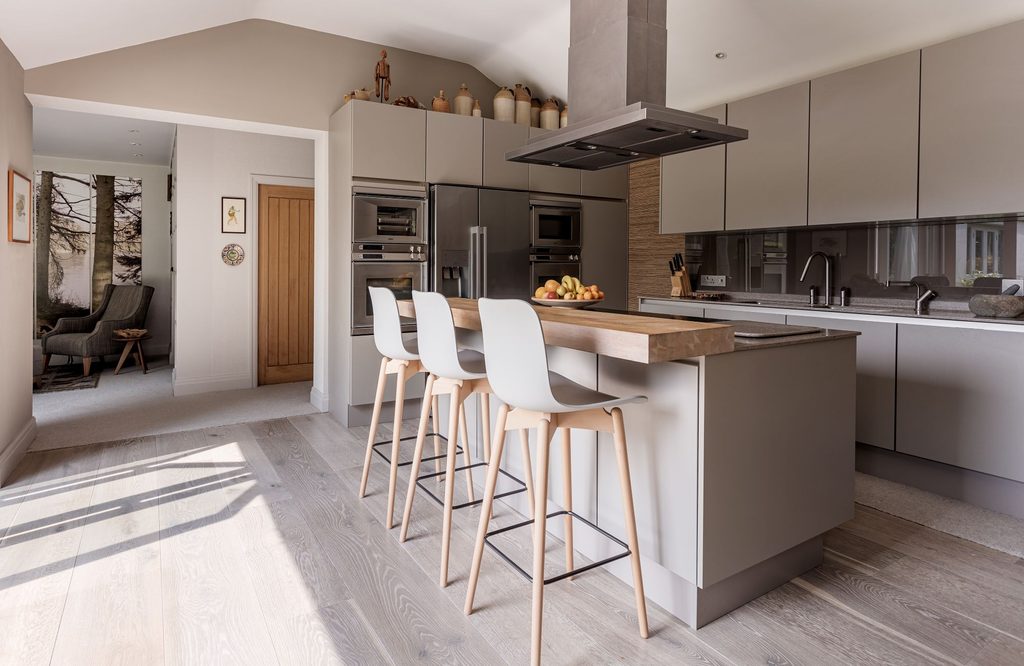
Perhaps the room does not feel too small because of its dimensions. Maybe we are asking the space to perform too many functions
It could be that it feels dark because the route of the natural light has been interrupted.
In some cases the furniture is not responding to the proportions of the room or to the way people naturally move through it.
Perhaps the space feels uncomfortable because there is too much competing for our attention and what it really needs is greater restraint.
When we define the real problem clearly, the design response often becomes simpler, more confident and more enduring.
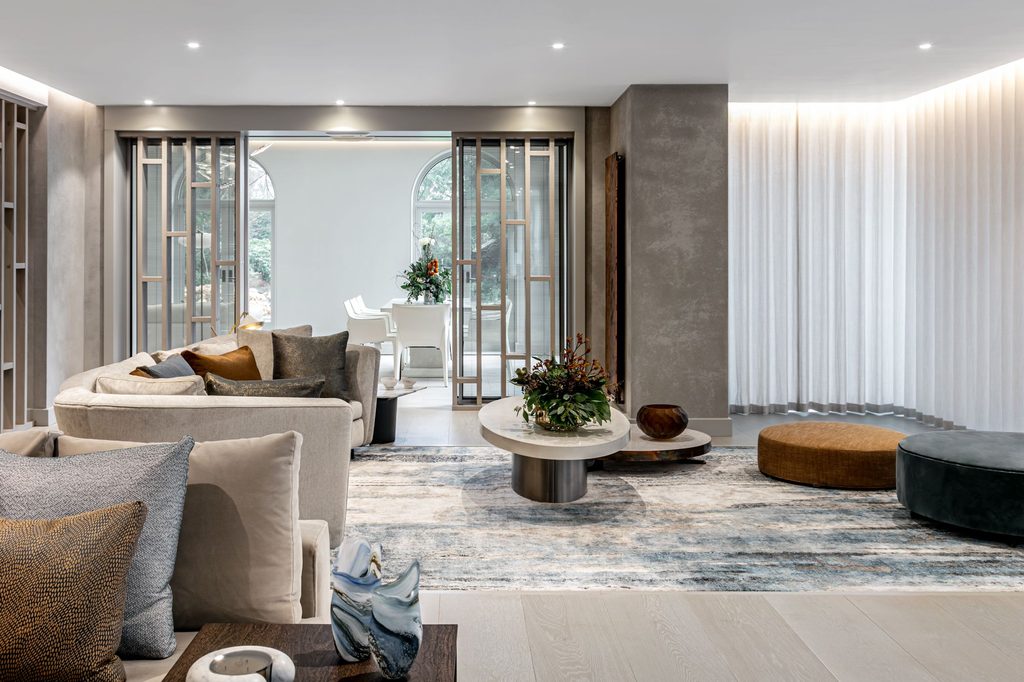
Understanding How You Want to Live
A beautifully designed home should do more than look impressive.
It should support the life taking place within it.
That requires us to ask questions that go beyond appearance.
Where do you naturally gather?Where do you retreat? Do you prefer open connection or moments of enclosure and privacy?
How might your needs change over the next five or ten years?
What makes you feel calm, energised, protected or inspired?
The answers will be different for every individual and every family. This is why beginning with a prescribed style can be limiting.
A home should not be shaped solely around an image. It should develop from a clear understanding of its architecture, its setting and the people who will experience it every day.
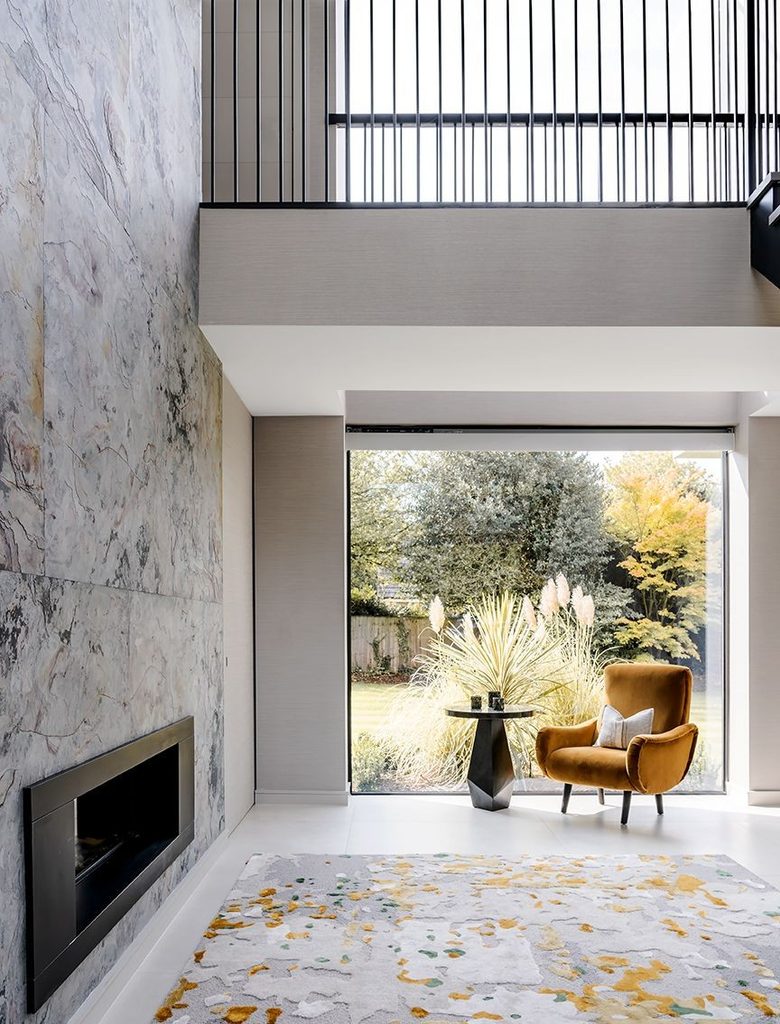
Knowing What Not to Change
Good design is not always about adding more.
Sometimes it means recognising the strength of what is already present.
An original detail may need to be revealed rather than replaced. A view may require less visual interruption. A series of rooms may benefit from a stronger relationship rather than being opened into one large space.
Occasionally, the most intelligent decision is to leave something alone.
This ability to edit and understand what should be retained, removed, reconsidered or quietly enhanced is central to creating interiors with longevity.
It also protects clients from committing too quickly to costly decisions that may not address the real potential of the property.
From Observation to Clarity
This is the philosophy behind my approach to Interior Design Clarity.
It begins with five connected ways of thinking:
- Observe what is genuinely present.
- Read how the property functions, flows and feels.
- Question the assumptions behind the proposed changes.
- Edit what is unnecessary or working against the space.
- Articulate a clear intention before committing to the design.
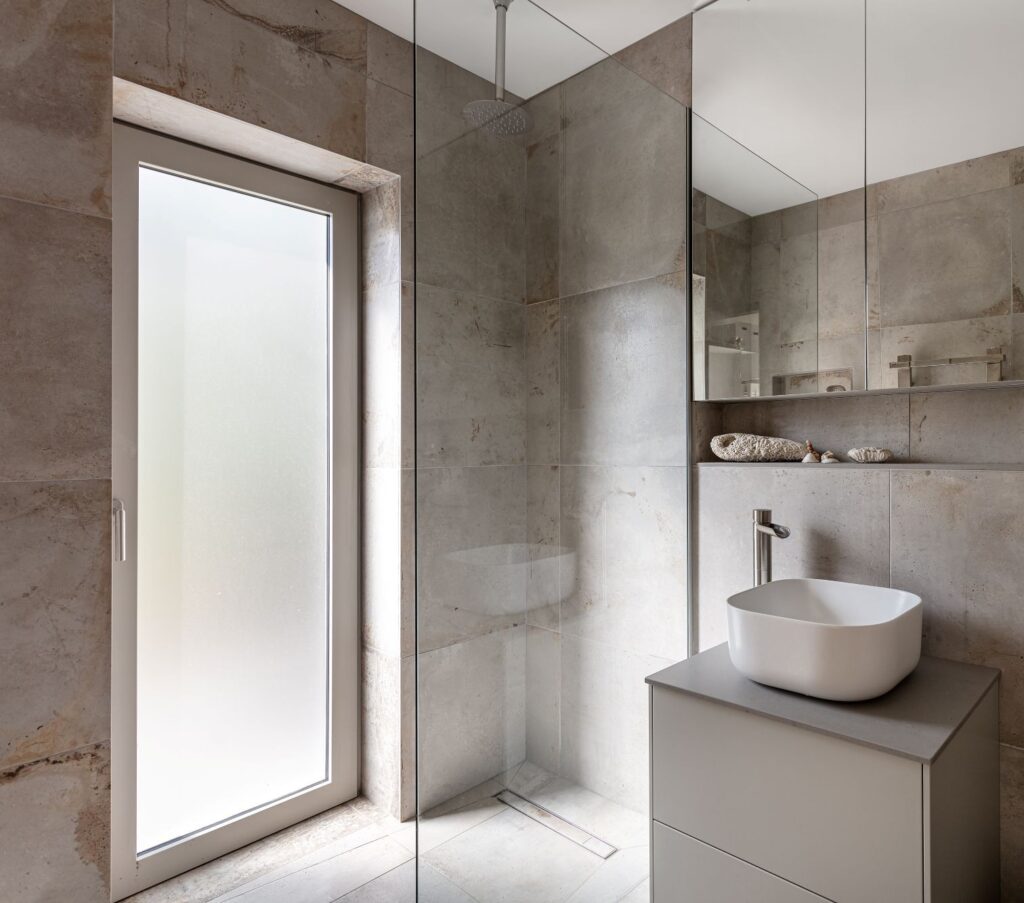
This is not about imposing rules or telling people how their homes should look. It is about helping them become more conscious of what they are seeing, feeling and experiencing and turning those discoveries into better design decisions.
You do not need professional design knowledge to look more deeply at a space. Curiosity is the beginning.
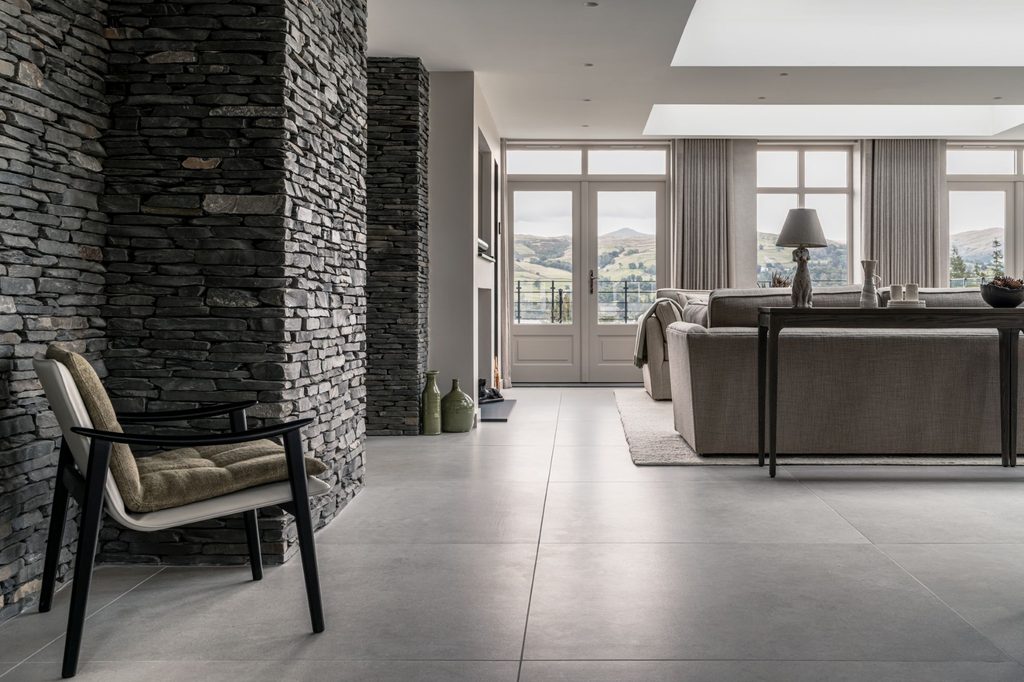
The next time you enter a room, resist the temptation to ask what you could put into it.
Instead, ask:
What is already working here?
What is interrupting the way the room feels?
Where does the light want to lead me?
How does the space connect with what surrounds it?
What could be removed?
And how do I want to feel and live here?
The most successful homes are not necessarily those containing the greatest number of beautiful things.
They are the homes in which the space itself has first been understood.