A Reflective journey through London Design Week: Materials and Values
Nielsen House Design Director Sarah Jane Nielsen gives us her insight following her visit to London earlier this month.
Attending London Design Week has been a tradition of mine for over 30 years. A shocking realisation, perhaps, but one that highlights just how much the industry, and my perspective, has evolved.
I still remember my first visit as a 24-year-old, an eager yet inexperienced Project Designer stepping into the world of Interior Architecture and Design. Under the directorship of architect John Knight at Michael Lyell Associates, Knightsbridge, I was given the freedom to explore, make mistakes, and learn. I discovered a world filled with exquisite craftsmanship, furniture, and finishes fit for royalty. I was enthralled by the creativity, the challenges, and the unknown.

Fast forward to today, and my visits to Design Week carry a sense of familiarity, comfort, and belonging. Yet, even after decades in the field, I find that many of the questions we ask remain the same – about manufacturing, production, delivery, and lead times. What has changed, however, is the weight of those inquiries. Now, we must also consider sustainability, ethical sourcing, and the environmental impact of our design choices; how these will affect our futures, our children’s futures, and the future of our planet. Were we once so blissfully unaware?
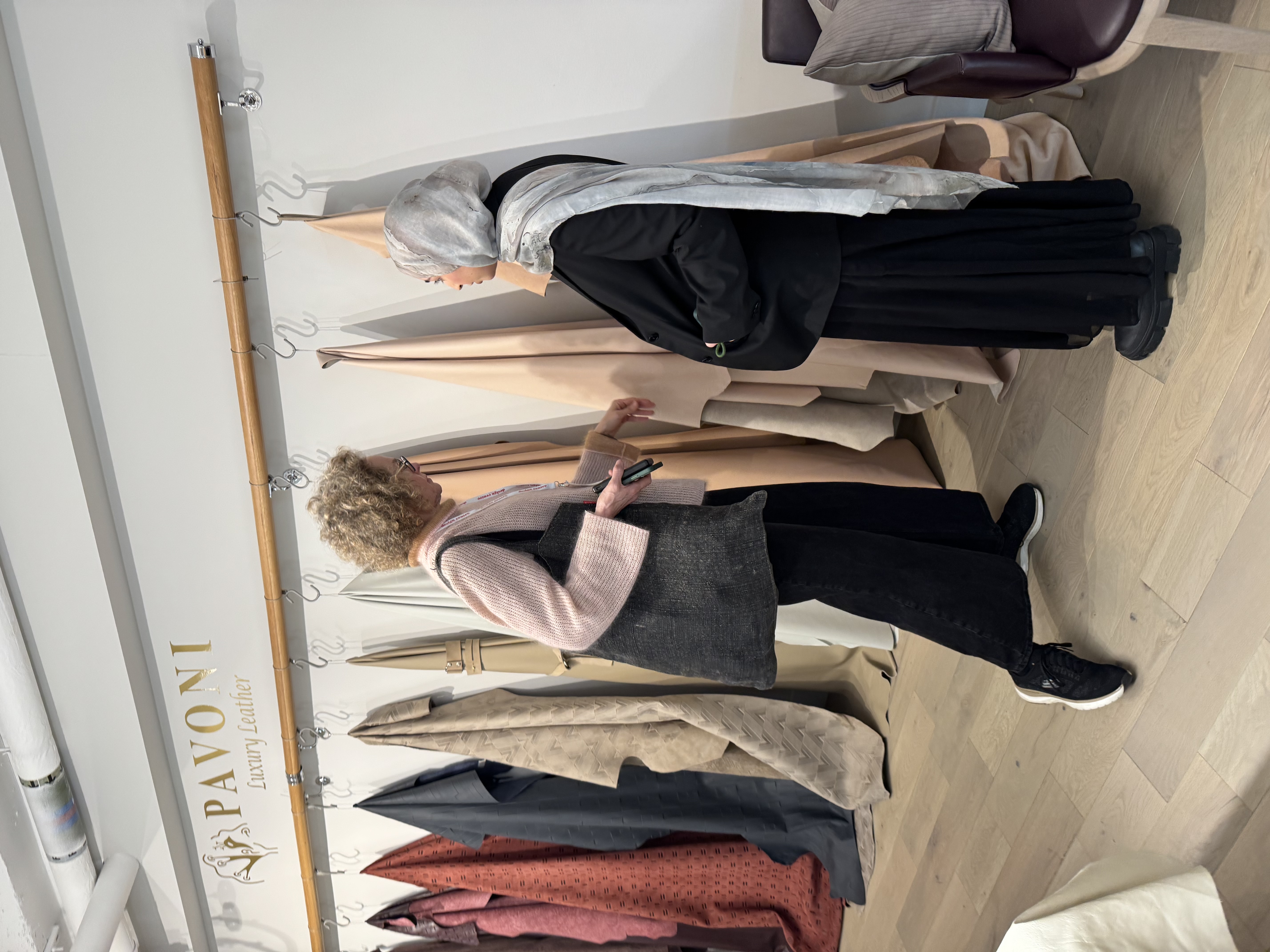
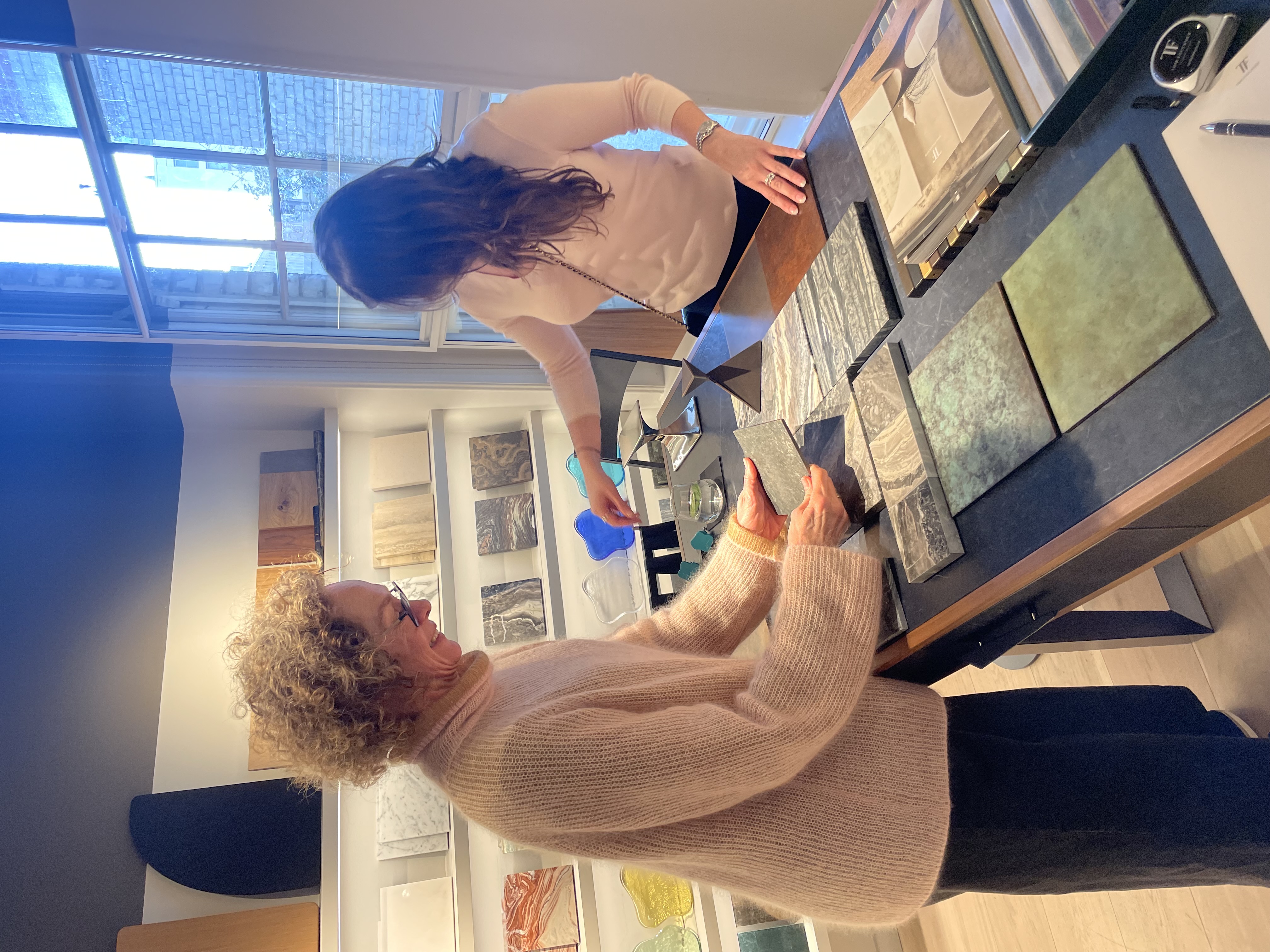


This year, after immersing myself in the latest collections from renowned luxury design houses at Chelsea Harbour, I attended a discussion on Materials & Sensibilities in Norwegian Design staged with Materials Matter. It was a moment of deep reflection. Every topic resonated with me, transporting me back to my Scandinavian roots and core design beliefs. And yet, just hours earlier, I had been selecting some of the most luxurious, high-cost furnishings for our projects.
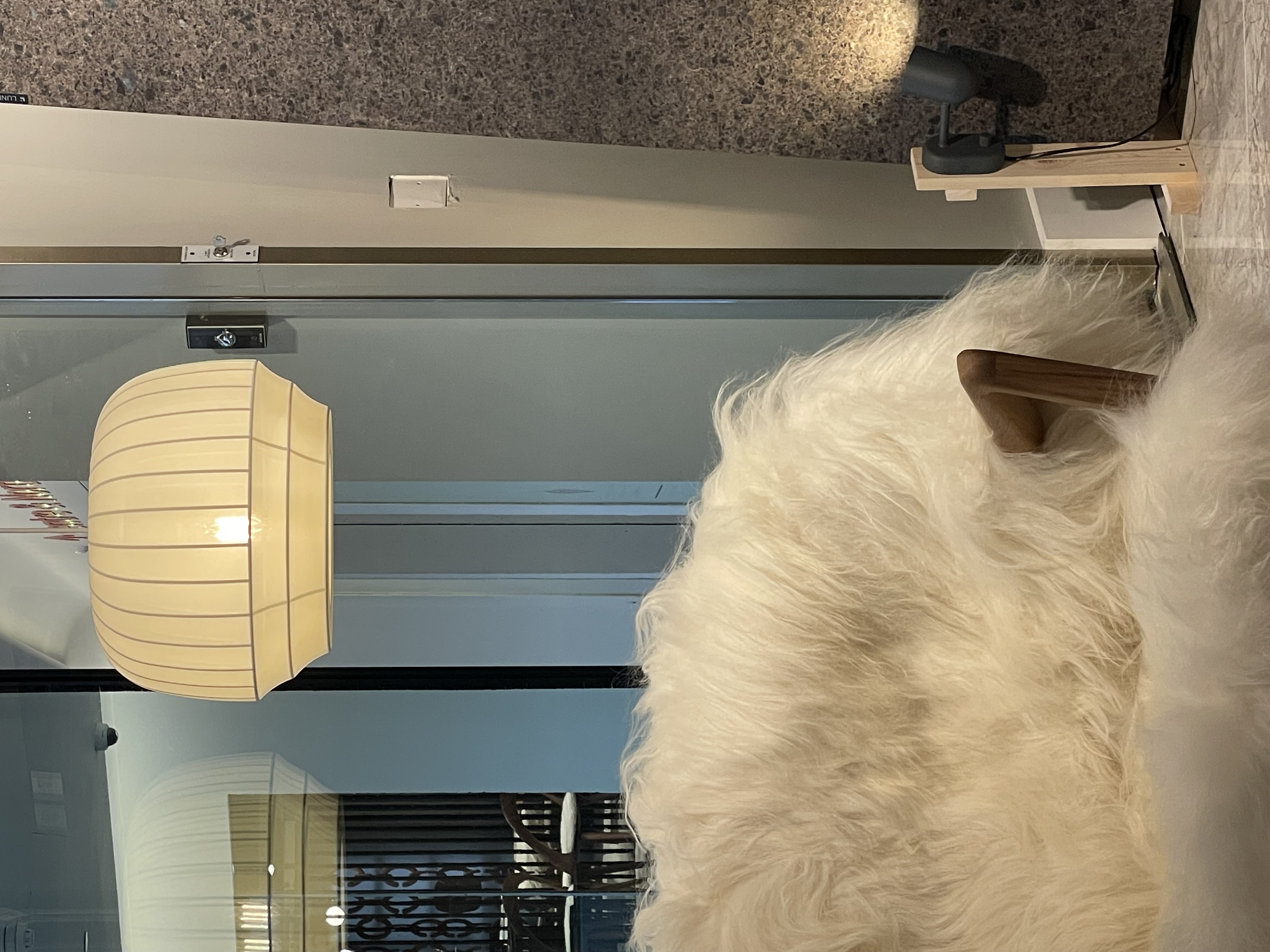

Was this a contradiction? Or had my understanding of value and worth finally come full circle?
Value is at the heart of everything we do in design. We discuss it daily with clients and the design team, ensuring that every project delivers true worth, regardless of budget. Yet, here I was, more engaged than ever with the ethos of simplicity, sustainability, and well-being.
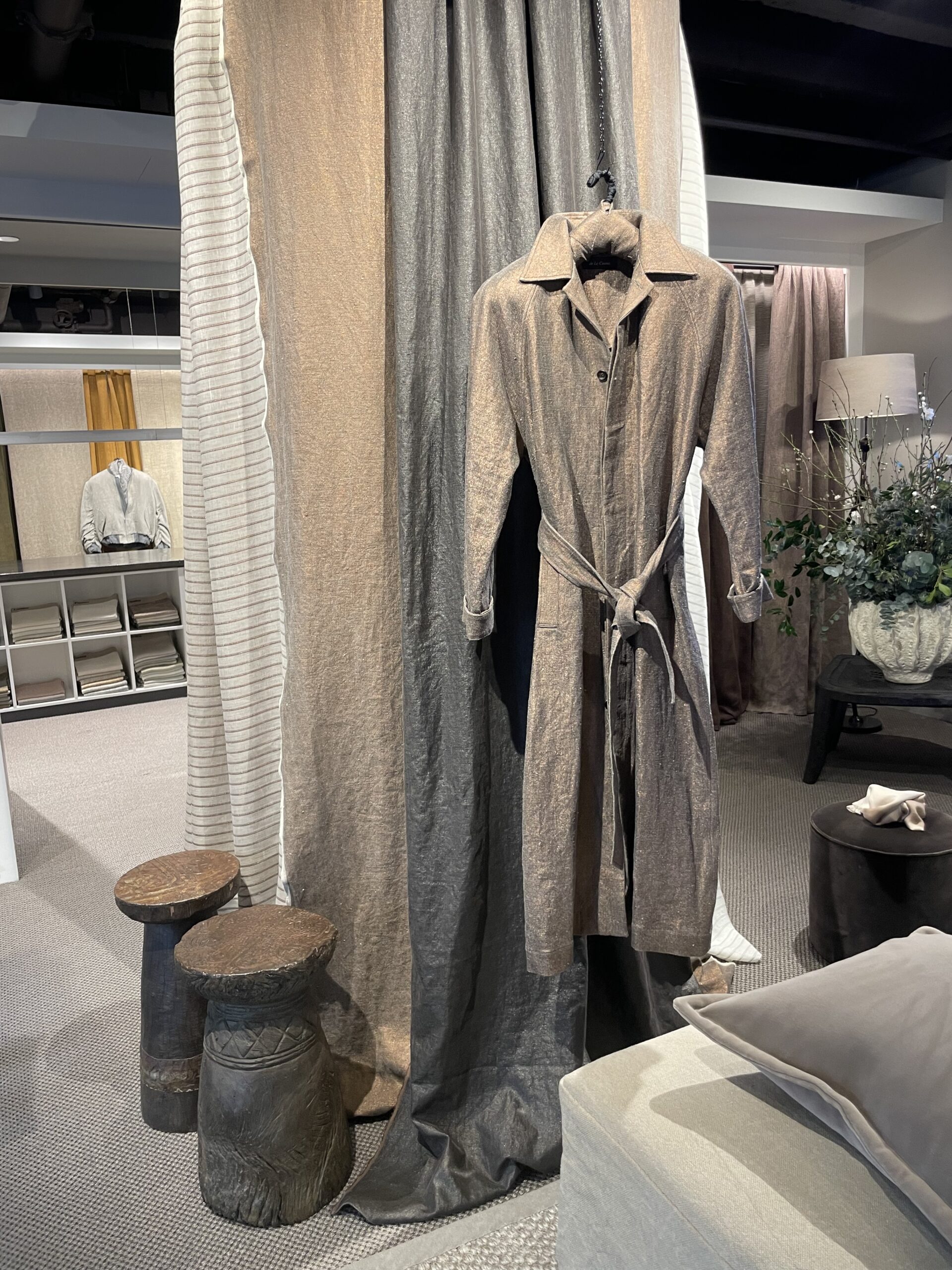
It was a poignant reminder of my own heritage. My father’s Danish family were tailors and designers, crafting garments for the affluent with the utmost care and skill. My parents, too, designed and manufactured haute couture by hand, using natural wools and tweeds sourced from our Scottish home in Edinburgh. Yet, for much of my career, I rarely questioned the cost, origin, or integrity of the materials I specified.
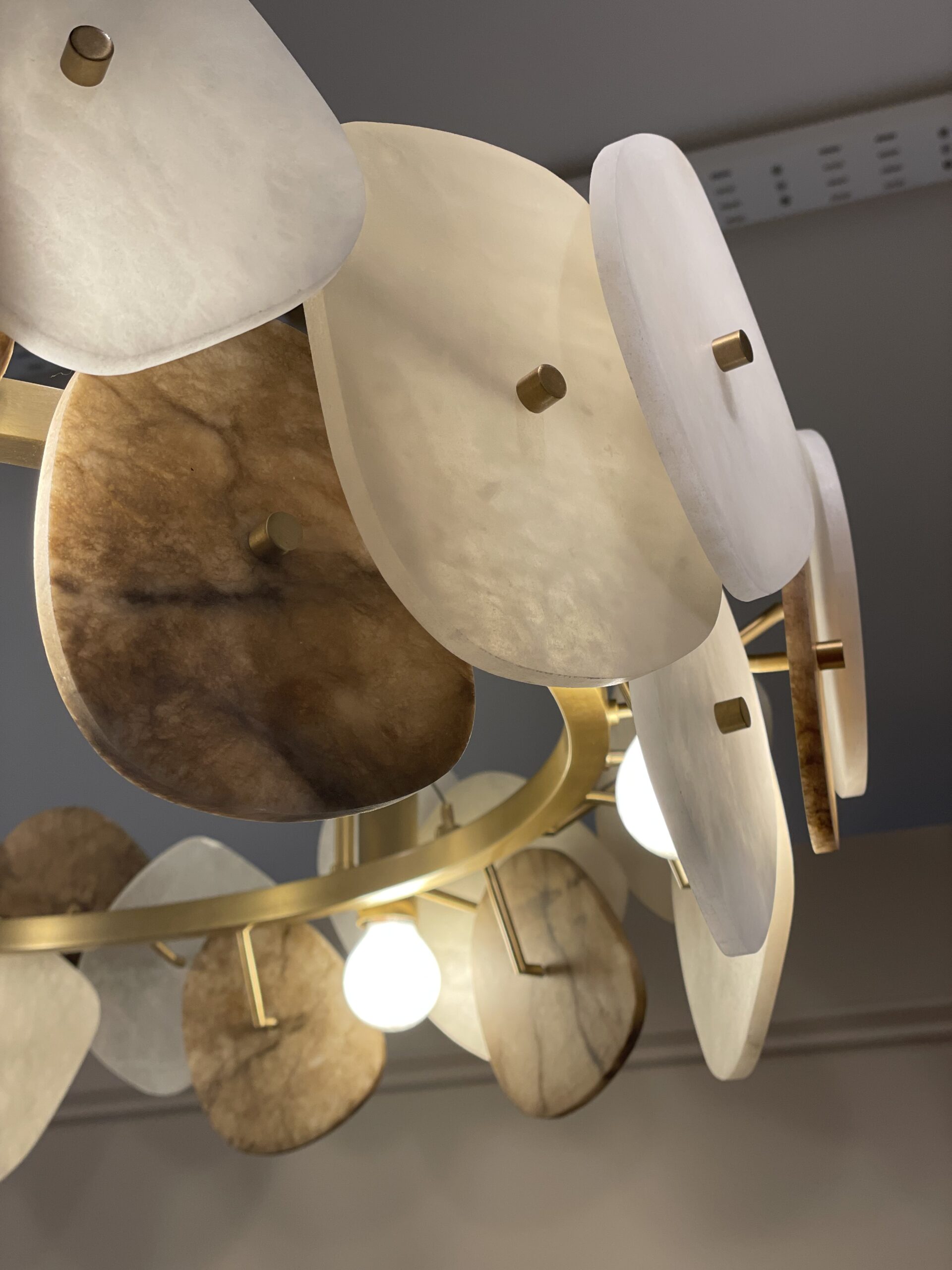

Now, more than ever, material matters. Sustainability, climate change, and access to raw natural resources are at the forefront of design conversations. While our industry has made great strides, embracing new technologies and more responsible production methods, these innovations often come with a premium price tag. The challenge ahead is making these beautifully crafted, sustainable materials accessible to a wider audience.
London Design Week has always been a source of inspiration, but this year, it reaffirmed my belief that our choices as designers have far-reaching impacts. Our role is not just to create beautiful spaces but to shape a more responsible, sustainable future for the next generation.
What are your thoughts on balancing luxury with sustainability in design? I’d love to hear your perspectives. Let’s continue the conversation.


