London Design Week 2026: What Chelsea Harbour Reveals About the Future of Luxury Interiors
Observations from the Design Centre at Chelsea Harbour on interior design trends, market sentiment and the evolving luxury property market.
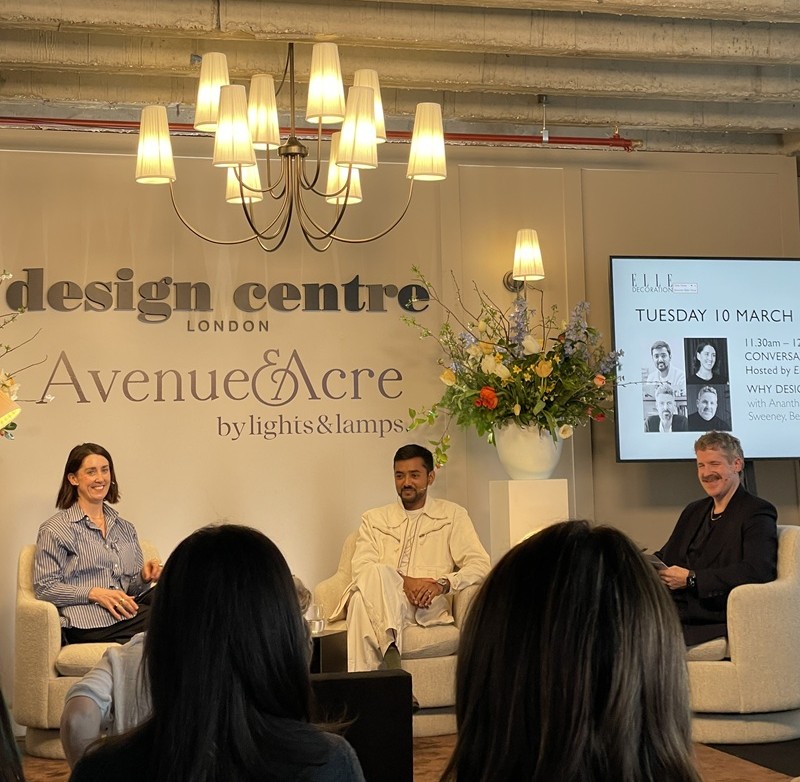
London Design Week 2026 at the Design Centre Chelsea Harbour offered more than a showcase of new collections. It provided a quiet but meaningful insight into the mood of the luxury interiors and property market.
What emerged most clearly was not simply a set of design trends, but a shift in confidence.
There was a lightness in conversations this year. A sense that, despite global uncertainty, the design community is choosing to move forward with intention, care and cautious optimism.
It is always valuable to step into rooms filled with other designers to exchange ideas, listen carefully and sense where people are creatively, emotionally and commercially.
This year, something subtle had changed.
A Return of Quiet Confidence in Luxury Interiors
Across conversations with designers, showrooms and consultants, one theme appeared consistently: clients are navigating uncertainty in very different ways.
Some are ready to invest by planning renovations, refurbishments and new-build homes for 2026.
Others remain cautious, watching the financial landscape and waiting for greater clarity before committing.
In many ways this reflects the wider UK property market in 2026, shaped by global instability, economic unpredictability and shifting confidence.
In London and several key northern cities, momentum feels steadier.
Elsewhere, particularly in second-home markets, hesitation still lingers.
And beneath it all sits a very human truth.
People are not just making financial decisions.
They are making emotional ones.
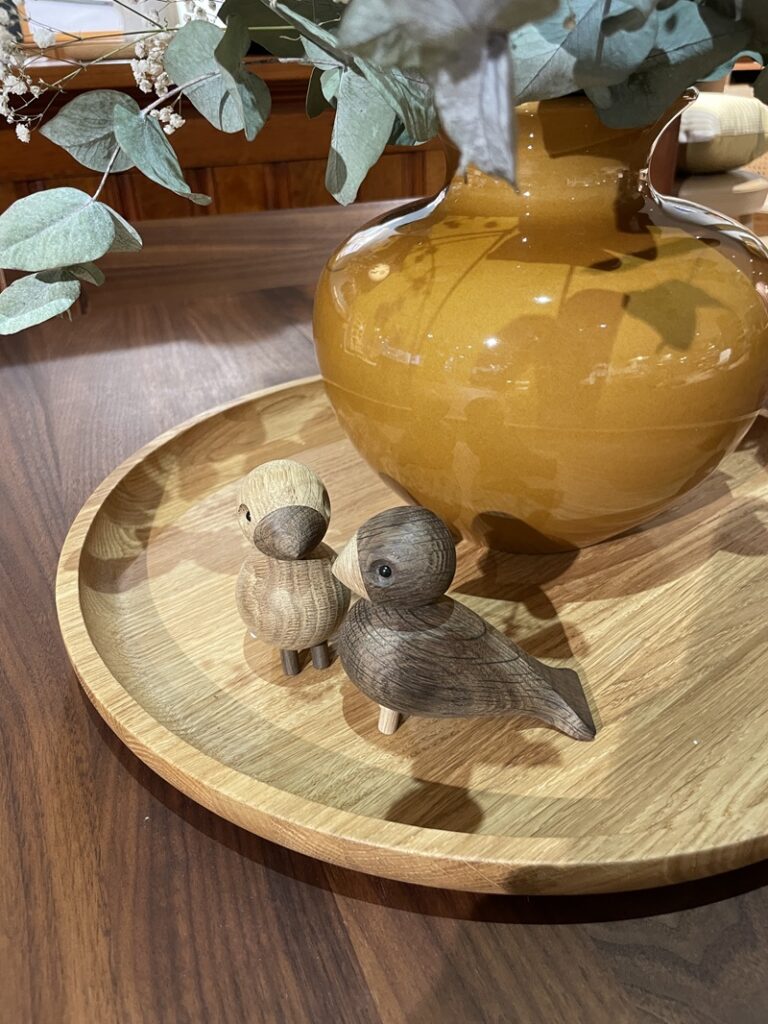
An Interior Designers role will direct you to what feels good
When the world feels uncertain, the home becomes more important, not less.
The question many clients are quietly asking is:
“Do I invest fully, or do I create just enough change to feel better now?”
And both responses are valid.
- A cosmetic refresh can restore energy, clarity, and a sense of control
- A full refurbishment or remodel can redefine how a home supports life entirely
What matters is not scale, but it’s alignment with individuals needs.
This is where design becomes more than aesthetic.
It becomes strategic, emotional, and deeply personal.
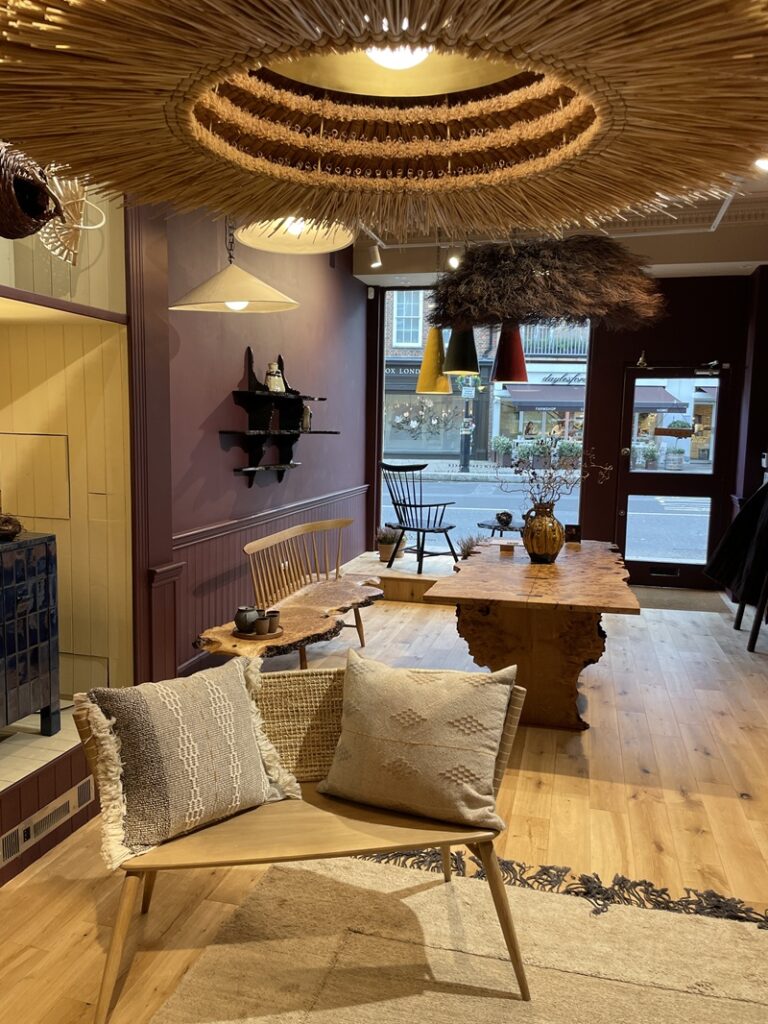
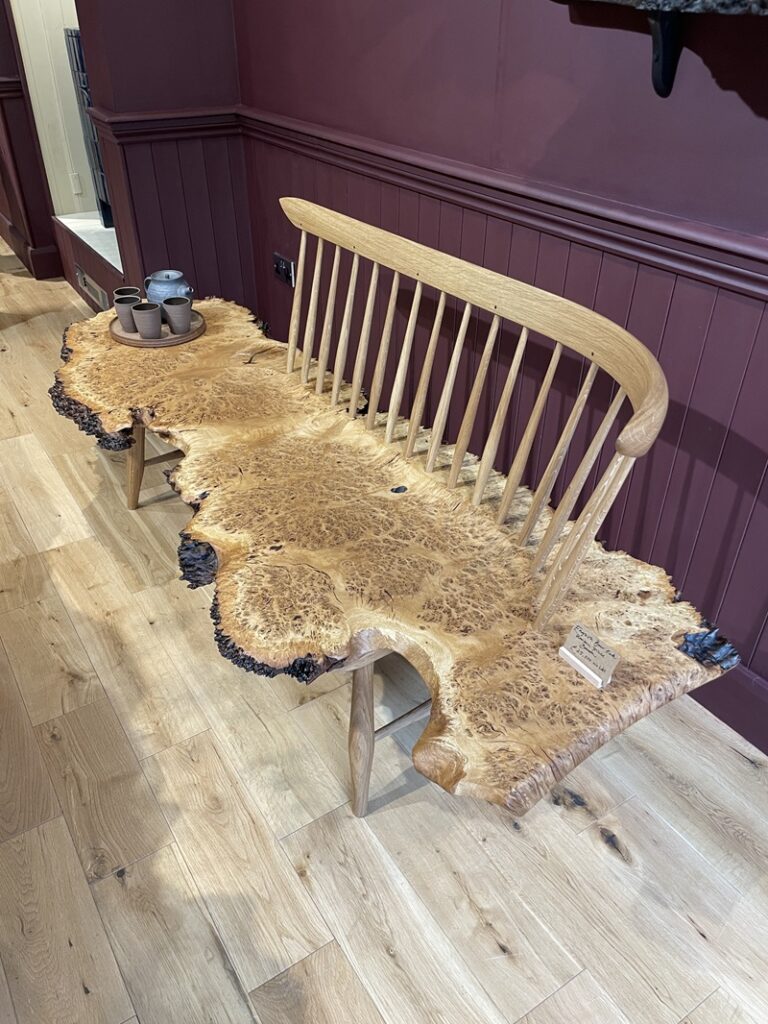
Design as Confidence-Building feels good
One of the most encouraging threads throughout London Design Week was this:
People want to feel confident in their homes again.
Not perfect. Not trend-led.
But right.
There is a growing shift away from over-styled interiors and towards something far more meaningful:
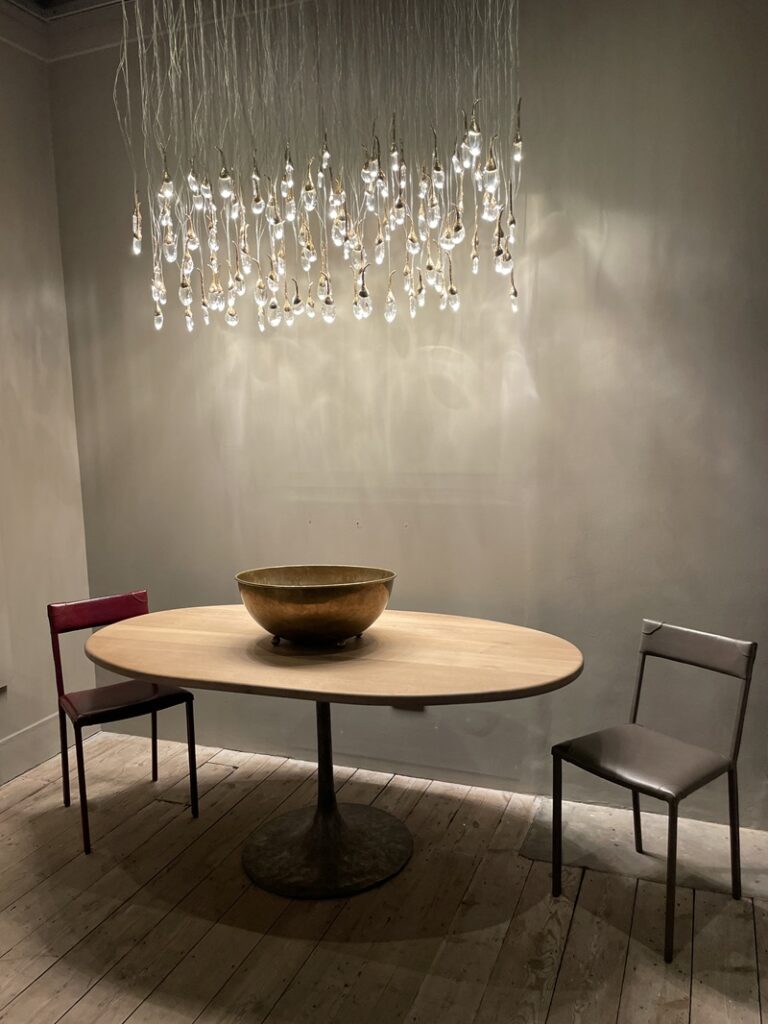
- Collecting pieces that resonate personally
- Displaying objects with story and memory
- Creating spaces that reflect identity, not just aspiration
As designers, our role is not to dictate taste.
It is to:
- Provide structure
- Create a considered backdrop
- Guide how everything is brought together
So that clients feel empowered to live within their homes, not just present them.
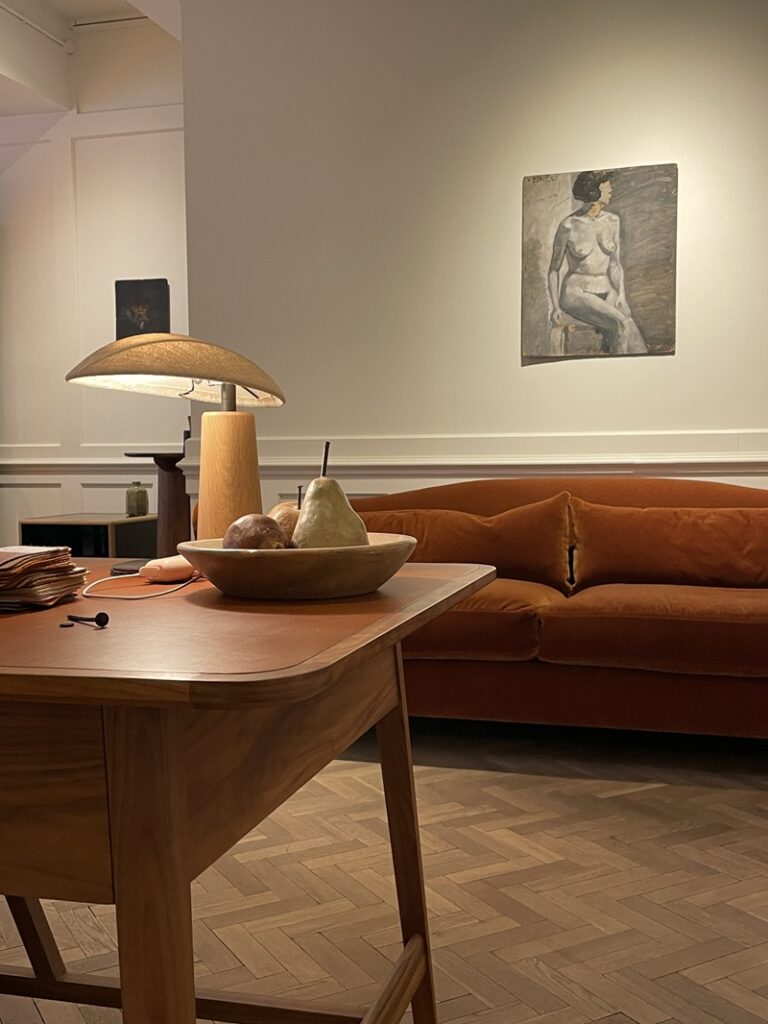
The Influence of the Property Market on Interior Design
A well-considered home doesn’t just feel better to live in.
It performs better in the market.
Clarity in layout, cohesion in materiality, and emotional connection in styling all contribute to:
- Stronger buyer engagement
- Faster decision-making
- Greater perceived value
But importantly, it begins with how the current owner feels.
Because when a home feels resolved, it communicates that confidence outward.
Insights from the Design centre at Chelsea Harbour
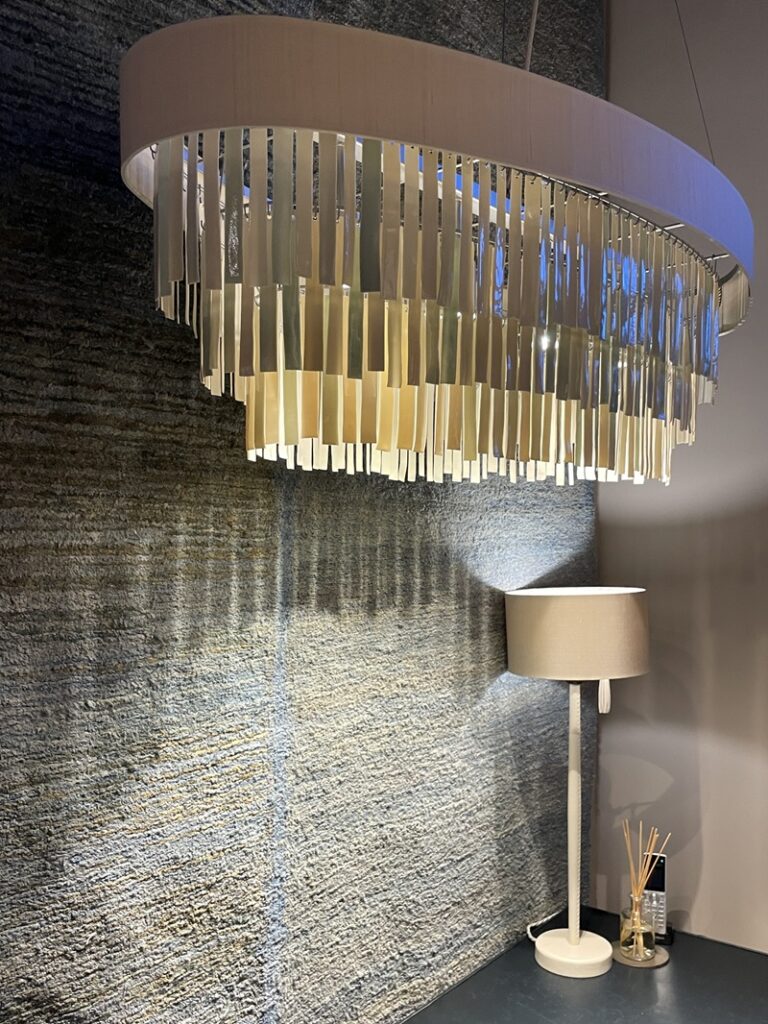
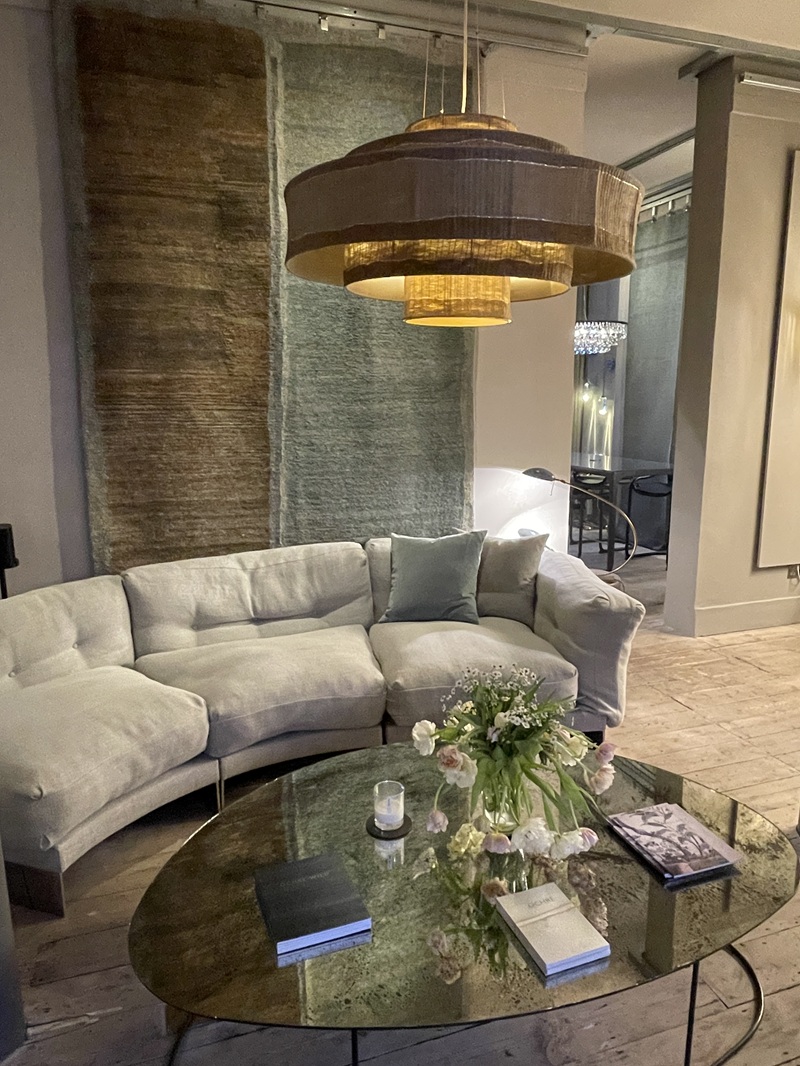
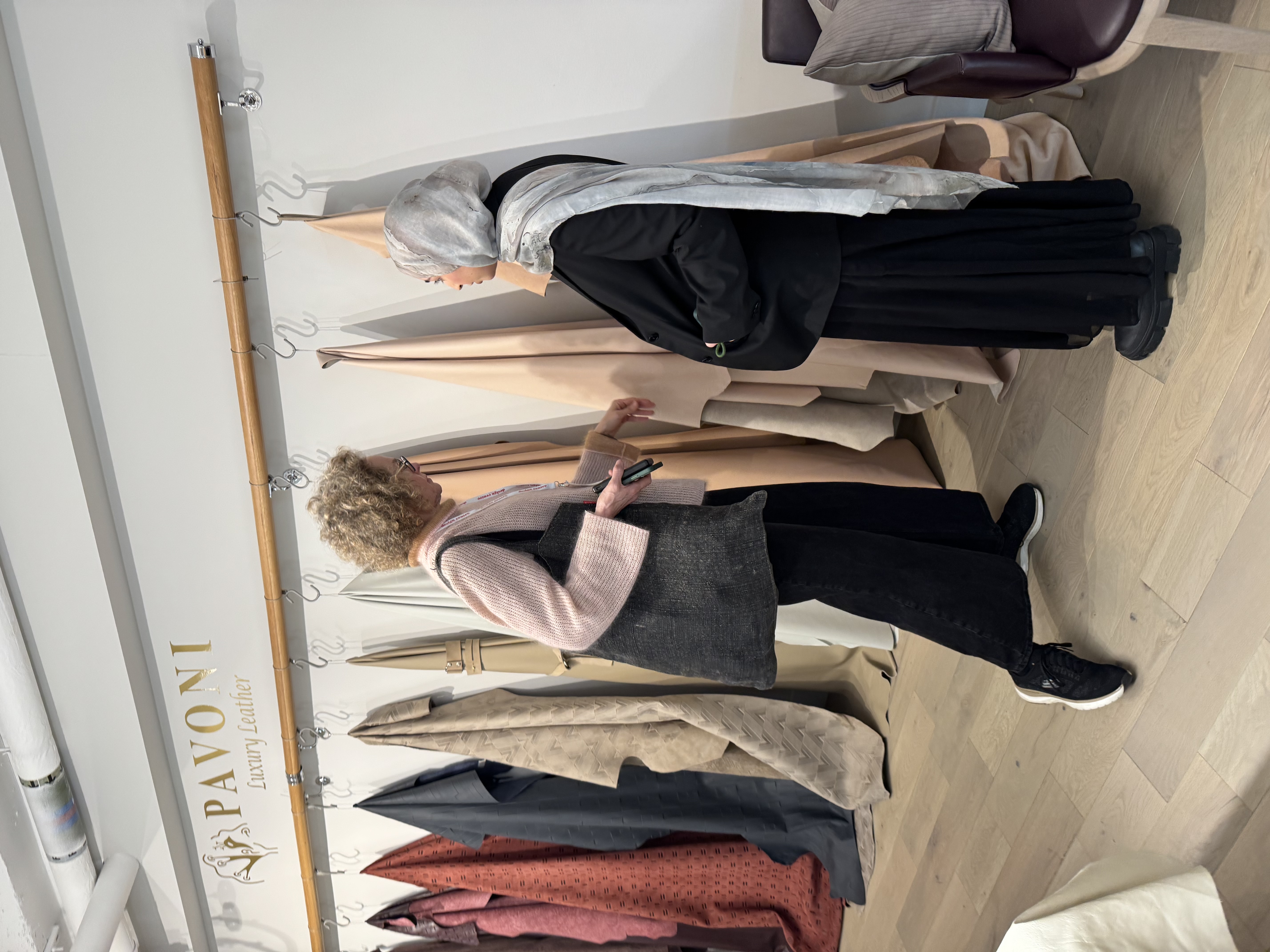
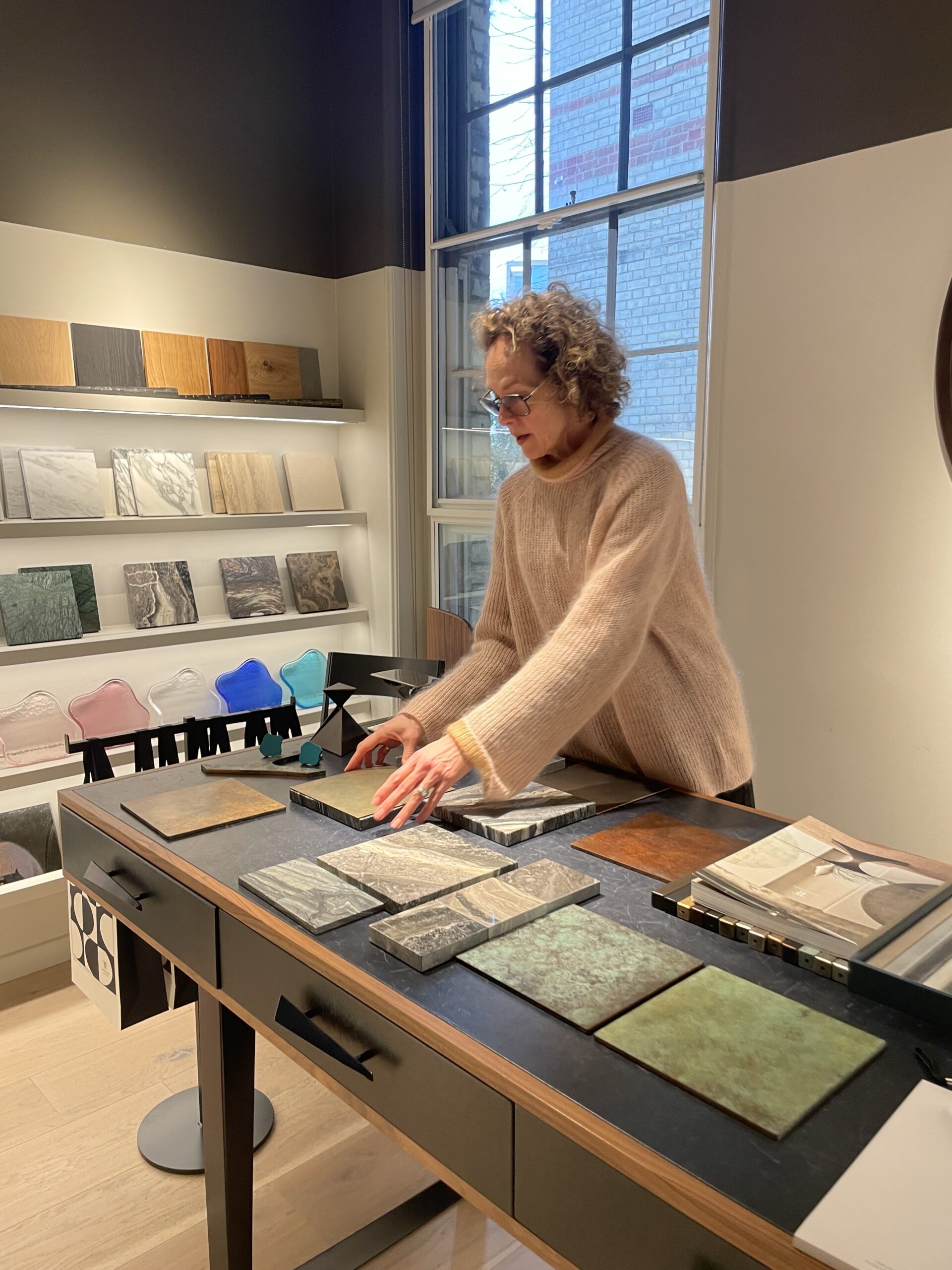
Walking through the showrooms at the Design Centre Chelsea Harbour, several themes became clear. Not simply in colour palettes or materials, but in the way the industry is responding to a changing property landscape.
1. Confidence is returning although cautiously
Many designers spoke about clients who paused projects in 2024 and 2025 but are now beginning to move forward again. Renovations and refurbishments are restarting, though often with more careful phasing and clearer financial planning.
2. Longevity is replacing novelty
There was less emphasis on short-term trends and more focus on materials, craftsmanship and design decisions intended to last. Clients appear increasingly interested in creating homes that feel grounded and enduring rather than fashionable.
3. Interiors are being considered alongside property value
Design decisions are becoming more strategic. Homeowners and developers are thinking carefully about how interior architecture, layout and detailing contribute not only to daily life, but also to the long-term saleability of a property.
How your home should feel
Your home does not need to follow anyone else’s rules. Great confirmation from @indiaknight
If you love something, it belongs.
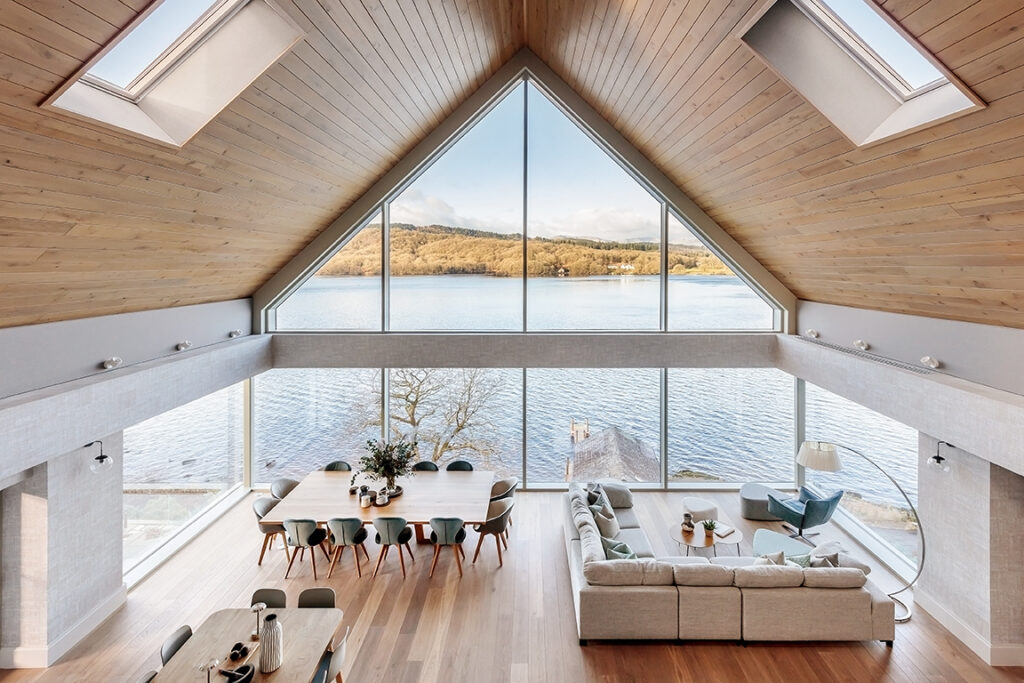
Our role is simply to help you bring it together in a way that feels considered, balanced, and entirely your own.
Because ultimately:
It’s how you feel in your home that matters. Not anyone else.


