The Calm Test: A Different Way to Measure Good Interior Design
How do you know if an interior design scheme is successful?

Most people judge a room by how it looks. They focus on colours, furniture, lighting, finishes and styling.
But after more than two decades designing homes, renovations and luxury residential properties, I’ve come to believe there is a more important measure.
I call it the Calm Test.
When you walk into a room, do your shoulders drop?
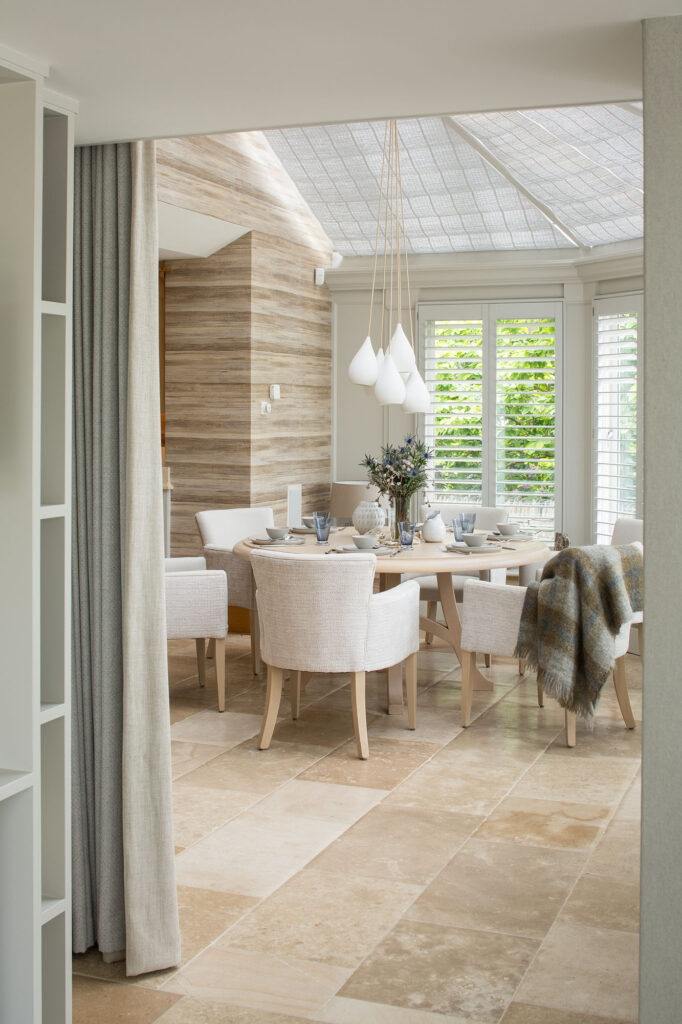
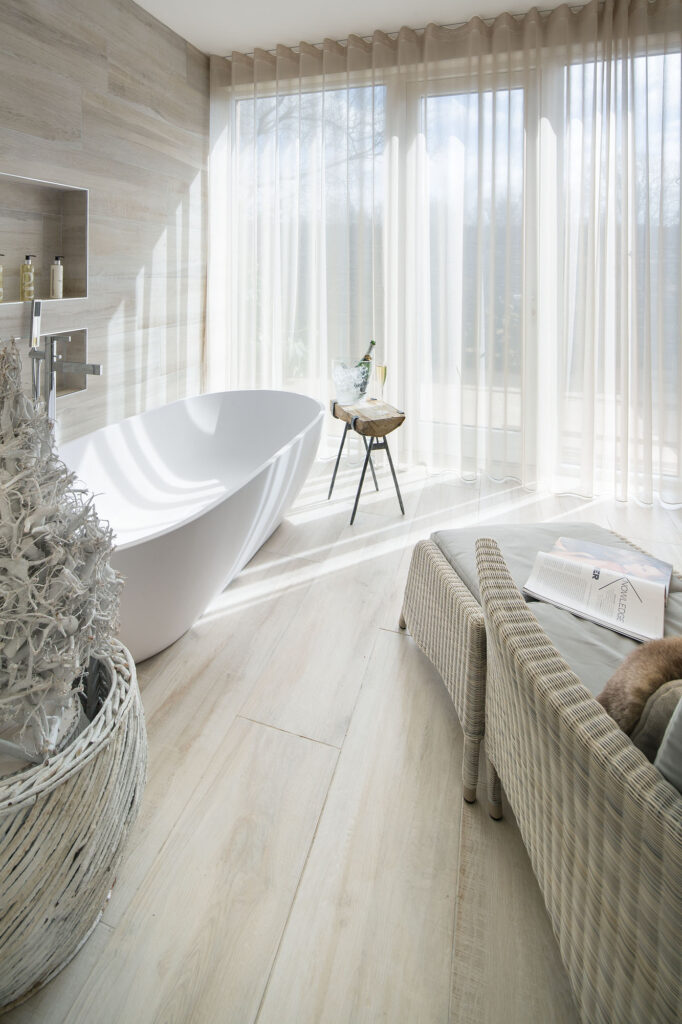
It’s a simple question, yet it reveals a great deal about the quality of an interior environment.
The best interior design is not always the most expensive, the most fashionable, or the most visually dramatic. Often, the most successful spaces are the ones that create an immediate sense of calm, comfort and clarity.
They allow you to relax.
They help you think clearly.
They support the way you want to live.

Why Calm Matters in Interior Design
Research increasingly shows that our surroundings influence stress levels, concentration, mood, wellbeing and decision-making.
A well-designed home does more than look attractive. It creates an environment that supports everyday life.
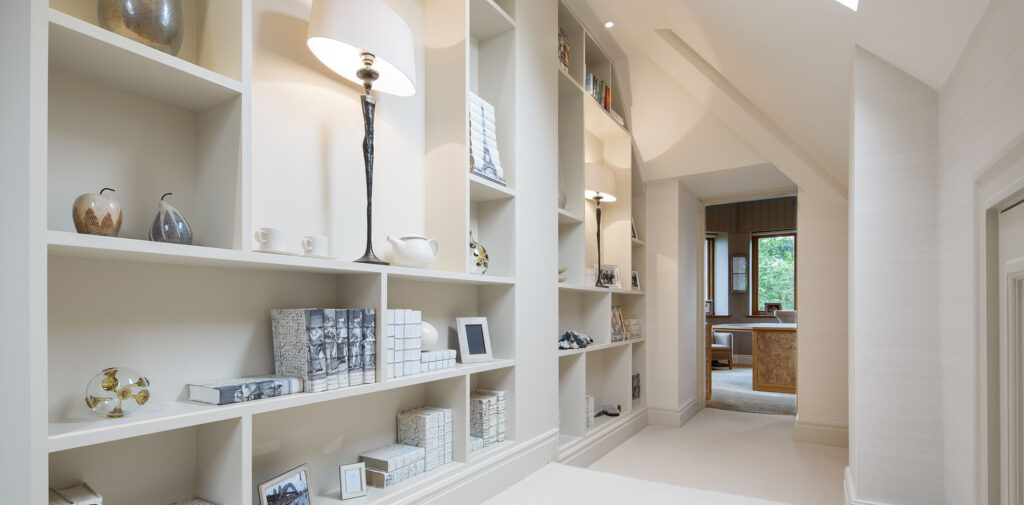
Natural light, balanced proportions, thoughtful layouts, quality materials and carefully considered storage all contribute to a feeling of ease.
When these elements work together, a space feels effortless.
When they don’t, a home can feel visually busy, emotionally draining, or difficult to use, even when every individual design decision appears attractive on its own.
This is why successful interior design is about more than aesthetics.
It is about creating spaces that feel as good as they look.

The Connection Between Design Clarity and Wellbeing
Many homeowners begin a renovation or interior design project focused on individual decisions:
Which kitchen should we choose?
What colour should the walls be?
Which flooring is best?
These questions are important, but they sit beneath a larger question.
How do you want your home to feel?
Without a clear answer, it becomes easy to make disconnected design decisions that fail to support the overall experience of living in the property.
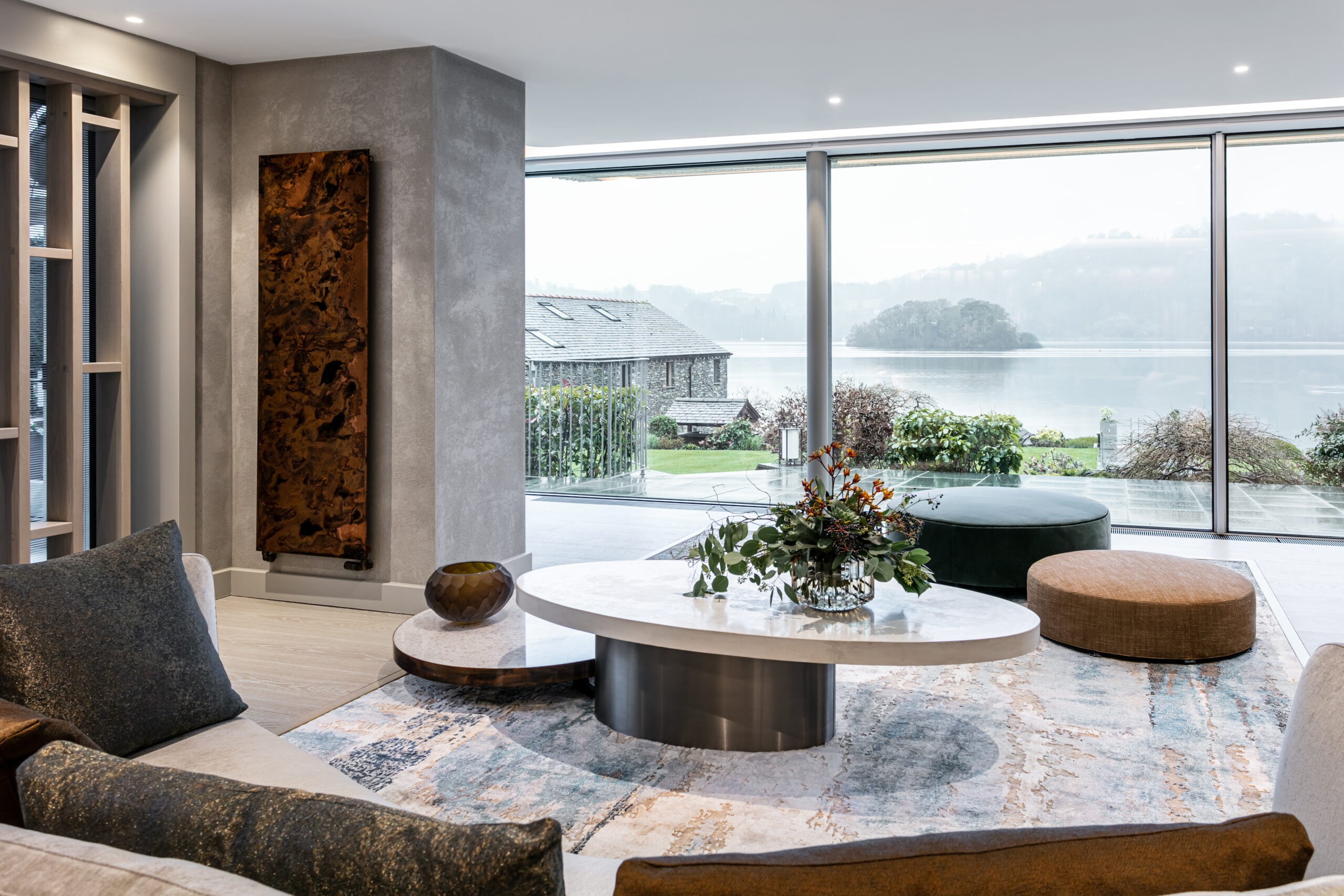
Design clarity creates consistency.
It provides a framework for decision-making.
It helps homeowners invest confidently and avoid costly mistakes.
Most importantly, it creates homes that continue to perform beautifully long after trends have changed.
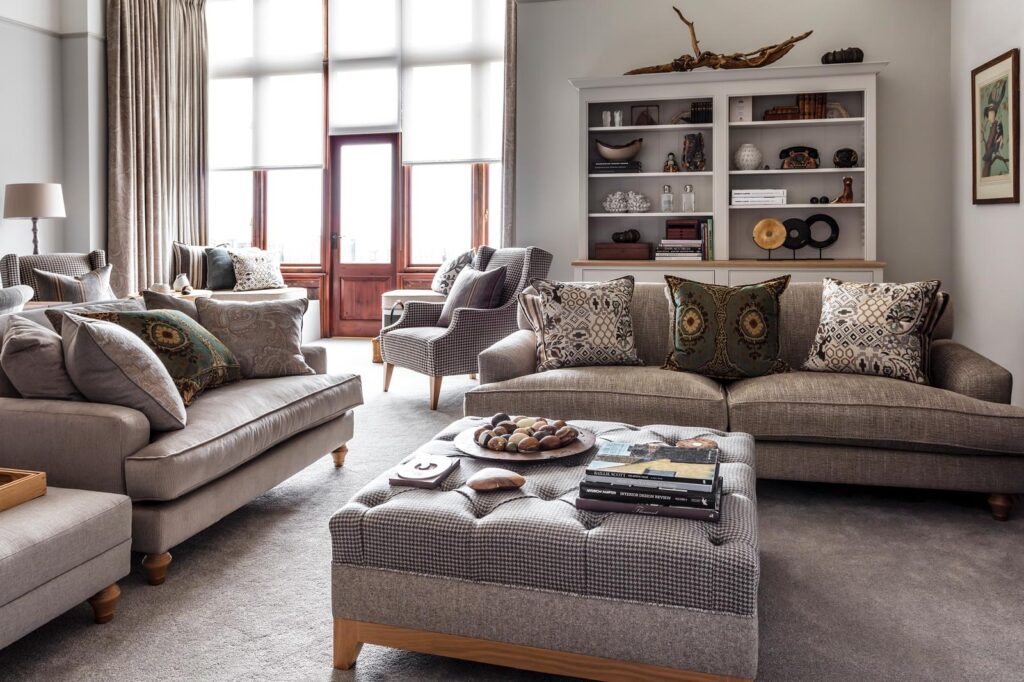
The Calm Test and Property Value
Interestingly, the Calm Test is also relevant to property presentation and saleability.
When potential buyers walk into a home, they make emotional judgements within moments.
Properties that feel balanced, welcoming, spacious and easy to understand often create stronger emotional connections than properties filled with unnecessary complexity or visual noise.
This does not mean every home should be minimalist.
It means every design decision should support the overall experience of the space.
The most desirable homes often feel effortless because the design has been carefully considered long before a buyer walks through the door.
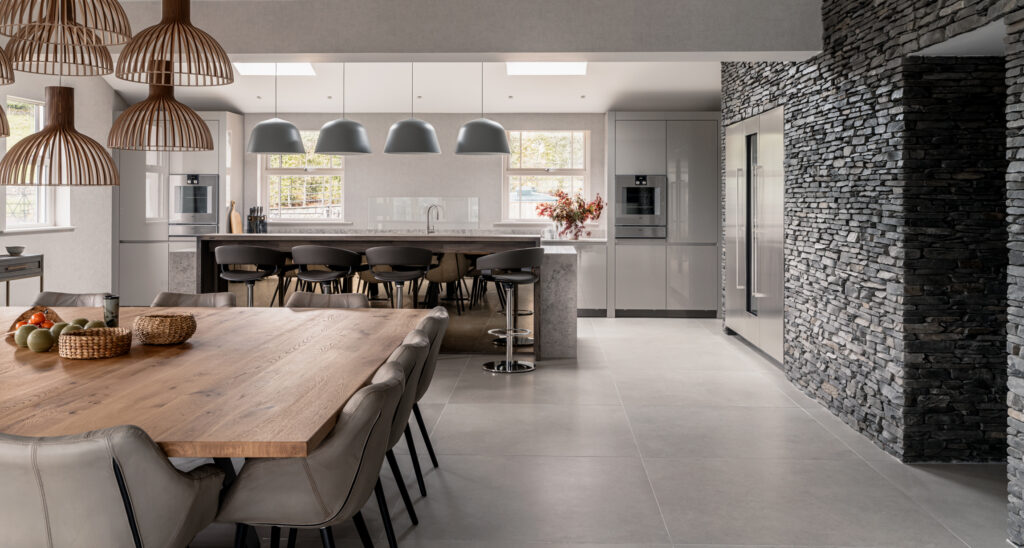
A Simple Question Worth Asking
The next time you enter a room, pause for a moment.
Notice your immediate response.
Do your shoulders drop?
Do you feel calmer?
Can you imagine spending time there comfortably?
If the answer is yes, there is a good chance the space has passed the Calm Test.
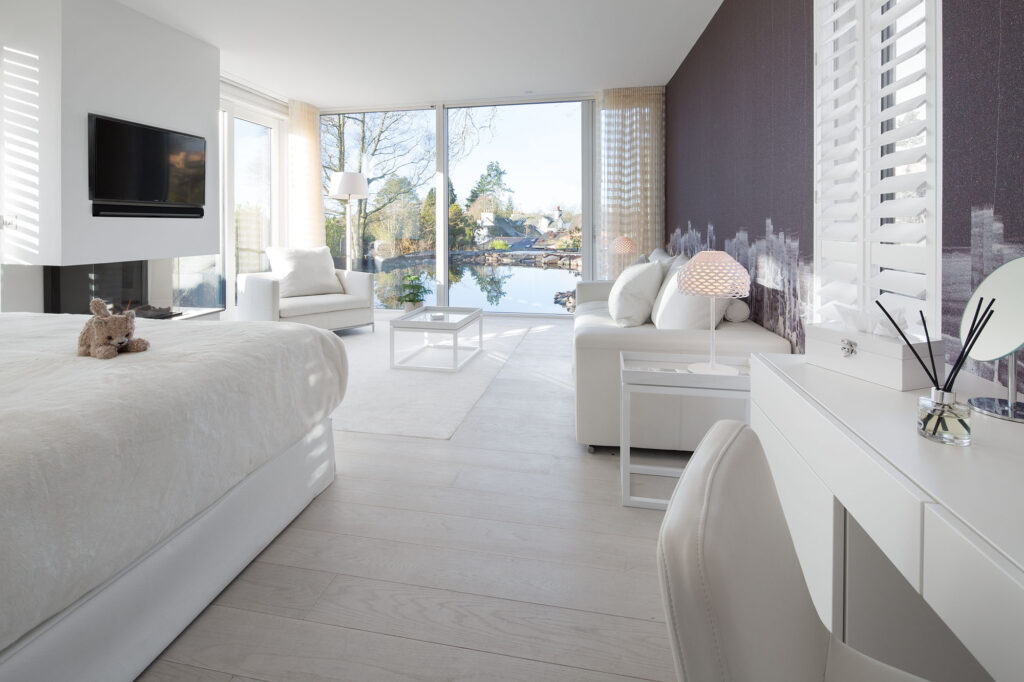
And in many ways, that may be one of the most important measures of good interior design.
Because great design is not simply about creating beautiful rooms.
It is about creating homes that support clarity, wellbeing, longevity, and a better experience of living.
Explore more of my interior design insights on creating thoughtful, timeless homes that feel as good as they look.


